In today’s digital economy, data science vs cybersecurity has become one of the most discussed comparisons among students seeking IT career options.
Both fields offer lucrative opportunities, rapid innovation, and global relevance. However, choosing the right path depends on your skills, interests, and long-term career goals.
Overview of Data Science and Cybersecurity Careers
The IT industry continues to evolve, with data and security being its two most crucial components. Understanding the scope of each domain helps determine which offers better career stability and advancement in 2025.
What is Data Science?
Data science involves collecting, processing, and analysing data to extract valuable insights that guide business decisions.
Professionals in a data science career use tools like Python, R, and SQL, along with machine learning and AI, to interpret large datasets for predictive analytics and strategy formulation.
What is Cybersecurity?
Cybersecurity focuses on safeguarding networks, systems, and data from unauthorised access or cyber threats.
A cybersecurity career includes roles such as security analyst, ethical hacker, or information security officer. These professionals ensure data integrity, privacy, and compliance with security standards across industries.
Skills Required for Data Science and Cybersecurity
Both career paths demand a blend of technical expertise and analytical thinking. Let’s explore the skills required for data science and cybersecurity jobs in 2025.
Data Science Skills
Essential data science skills include programming knowledge in Python, R, and SQL, statistical analysis, data visualisation, and machine learning algorithms.
Familiarity with tools like Tableau, TensorFlow, and Hadoop enhances career prospects. Engineers with a strong mathematical foundation find this domain ideal for analytical problem-solving.
Cybersecurity Skills
Key cybersecurity skills include understanding network security, ethical hacking, penetration testing, cryptography, and risk management.
Professionals must be proficient in tools like Wireshark, Metasploit, and SIEM platforms. With the rise of cloud computing, knowledge of cloud security and compliance frameworks has become essential.
Ready to Shape Your Future? Apply Now.
Engineering, Design, Commerce, Law, Science & more. Join a university built for the future.
Career Growth Comparison
When comparing career growth in data science and career growth in cybersecurity, both fields offer steady advancement opportunities, though their trajectories differ based on specialisation and industry demand.
Entry-Level Opportunities
Fresh graduates in data science often begin as data analysts, junior data scientists, or machine learning engineers.
In contrast, cybersecurity aspirants start as security analysts or IT support engineers, focusing on system protection. Both domains provide fast-track promotions with relevant certifications and practical experience.
Mid-Level and Senior Roles
Mid-level data science professionals progress into roles such as data engineers, AI specialists, or business intelligence managers.
In cybersecurity, professionals may advance to cybersecurity consultants, security architects, or CISOs (chief information security officers). Both tracks provide long-term career growth comparison data for data science vs cybersecurity favourably.
Job Prospects and Industry Demand
The demand for cybersecurity vs data science professionals remains high worldwide. According to global market trends, data science roles are crucial for business decision-making, while cybersecurity experts protect those digital assets from threats.
As digital transformation accelerates, both sectors face talent shortages, ensuring job stability and competitive compensation.
Salary Comparison
When analysing salary comparison data science vs cybersecurity, data scientists in India typically earn between ₹8–15 lakh annually, while experienced cybersecurity professionals earn ₹10–18 lakh depending on their certifications and expertise. Senior roles in both fields, such as Data Architects or CISOs, can exceed ₹30 lakh annually.
Data Science vs Cybersecurity Courses
For students, the data science vs cybersecurity course for students depends on personal interest and aptitude.
Data science courses focus on machine learning, statistics, and data visualisation, whereas cybersecurity programmes emphasise network defence, cryptography, and ethical hacking. Both require continuous learning and certifications for career progression.
Factors to Consider Before Choosing
When deciding which IT career to choose, data science or cybersecurity, consider your interests and skill sets.
Data science suits individuals with strong analytical and mathematical reasoning, while cybersecurity appeals to those who enjoy solving complex security challenges and staying updated on evolving threats.
Future Scope and Trends
The future scope of data science and cybersecurity in India and globally remains promising. With AI-driven technologies expanding, data science will influence automation and decision-making.
Meanwhile, cybersecurity will grow in importance as digital threats become more sophisticated. Both careers guarantee sustained growth well into the next decade.
Conclusion
Choosing between data science and cybersecurity, which is a better career in 2025, depends on your passion and career goals.
Data science drives business innovation through analytics, while cybersecurity ensures the protection of digital ecosystems. Both offer strong job prospects, excellent salaries, and long-term stability, making them top IT career options for students.
FAQ
Both data science and cybersecurity offer strong growth in 2025. Data science careers expand with AI integration and analytics-driven strategies, while cybersecurity roles increase with growing digital threats. The best choice depends on your skill set and professional interests.
Skills required for data science and cybersecurity jobs include programming, problem-solving, and analytical thinking. Data science requires Python, R, and statistics, while cybersecurity needs networking, ethical hacking, and risk management expertise to ensure data safety and digital security.
According to salary trends data science vs cybersecurity India, data scientists earn an average of ₹8–15 lakh annually, while cybersecurity professionals earn ₹10–18 lakh. Senior roles like Cloud Security Architect or Data Scientist Lead can reach over ₹25–30 lakh annually in India’s leading IT firms.
Global demand is strong for both. However, cybersecurity currently edges ahead due to rising cyber threats and data breaches. Meanwhile, job prospects in data science continue expanding as industries leverage analytics for business decisions and predictive intelligence.
Yes, both fields welcome beginners. Graduates can pursue entry-level job prospects in cybersecurity, such as a security analyst, or start as a data analyst in data science career roles. Foundational certifications, projects, and internships help accelerate early career growth.
Top certifications include CompTIA Security+, CEH, and CISSP for cybersecurity, while data science aspirants should pursue Google Data Analytics, IBM Data Science, or AWS Machine Learning certifications. These credentials strengthen resumes and open doors to competitive global opportunities.
For engineers inclined toward AI, data science offers better alignment due to machine learning and automation roles. However, those interested in digital infrastructure security can opt for a cybersecurity career focusing on cloud and network protection. Both are essential in future IT ecosystems.
Index
Most Popular










Faculties
Related Blogs
The digital world of 2025 thrives on information, and data science sits at the heart of it. From businesses and healthcare to finance and education, every sector depends on data to make strategic decisions.
With exponential data generation, careers in data science have become among the most lucrative and future-proof options for students and professionals alike.
The digital world of 2025 thrives on information, and data science sits at the heart of it. From businesses and healthcare to finance and education, every sector depends on data to make strategic decisions.
With exponential data generation, careers in data science have become among the most lucrative and future-proof options for students and professionals alike.
What is Data Science and Why is it Important
Data science combines statistics, computer science, and domain expertise to extract meaningful insights from structured and unstructured data.
It involves data collection, cleaning, analysis, and interpretation using advanced algorithms and predictive models. In 2025, as organisations continue to digitalise, data science 2025 will be indispensable for innovation and decision-making.
Why Data Science Is a Good Career Choice in 2025
There are multiple reasons why data science is a good career in 2025. It is in high demand, offers attractive salaries and opportunities across industries.
The data science career path provides flexibility and relevance in a world driven by AI, automation, and big data. As businesses rely heavily on data-driven insights, the demand for data scientists continues to grow at an unprecedented rate.
Key Skills Needed for a Successful Data Science Career
Success in a data science career depends on mastering a combination of technical, analytical, and soft skills that enable professionals to translate data into actionable insights.
The core data science skills include proficiency in programming languages like Python, R, and SQL, as well as tools such as TensorFlow and Power BI. Understanding algorithms, databases, and machine learning and data science applications is essential for developing predictive and automated solutions.
Analytical and Problem-Solving Skills
The core data science skills include proficiency in programming languages like Python, R, and SQL, as well as tools such as TensorFlow and Power BI. Understanding algorithms, databases, and machine learning and data science applications is essential for developing predictive and automated solutions.
Soft Skills
Communication, collaboration, and adaptability are critical skills needed for a data science career in 2025. Professionals must effectively convey analytical results to non-technical audiences and work across multidisciplinary teams to implement data-based strategies.
Data Science Career Path and Job Roles
The data science career path offers diverse opportunities based on expertise and experience.
Entry-Level Opportunities
Fresh graduates can begin as data analysts, business intelligence associates, or junior data scientists. These roles focus on data collection, cleaning, and visualisation, forming the foundation for advanced analytical work.
Mid-Level and Senior-Level Roles
With experience, professionals can progress to roles such as machine learning engineer, data engineer, or AI specialist. Senior positions, including data architect and chief data officer, involve strategic data planning and managing complex data infrastructures.
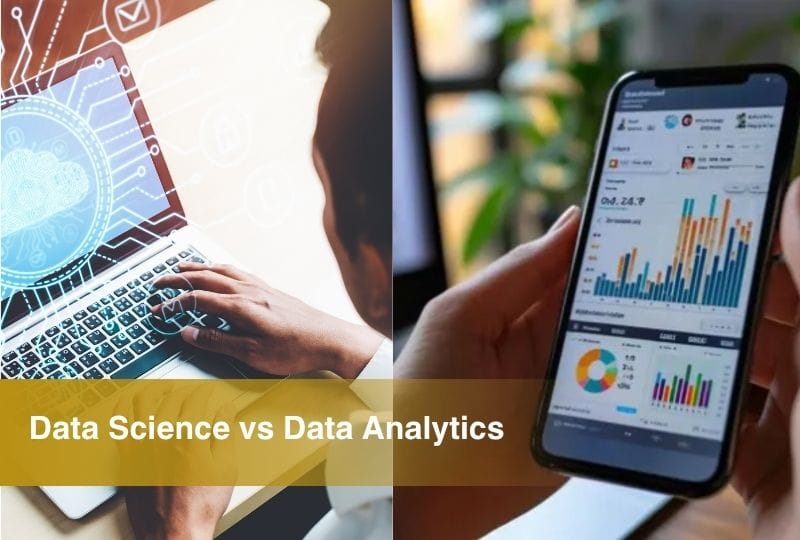
Data Science vs Data Analytics
While data science vs data analytics are often used interchangeably, they differ in scope. Data analytics focuses on examining datasets to identify trends and generate reports, while data science involves predictive modelling and algorithm development. Data science is broader, encompassing data analytics as one of its components.
Salary Trends and Demand in 2025
The data science salary trends 2025 indicate a continued upward trajectory. In India, data scientists can expect average annual salaries ranging from ₹10 to ₹25 lakh, depending on skill and experience.
The data science demand in 2025 India remains robust due to the digital transformation of industries like healthcare, finance, and retail.
How to Start a Career in Data Science in 2025
Understanding how to start a career in data science in 2025 involves acquiring foundational knowledge through formal education, online courses, and certifications.
A strong background in mathematics, programming, and statistics is beneficial. Internships, projects, and competitions further strengthen a candidate’s portfolio, enabling better job prospects in top companies.
Benefits of a Career in Data Science
The benefits of a career in data science are vast. It offers high employability, global relevance, and opportunities to impact diverse sectors.
Additionally, data science professionals enjoy flexible career growth options, including transitions into AI, business intelligence, or software development, making it an ideal data science as career option after graduation.
Future of Data Science Careers
The future of data science is promising, with automation, predictive analytics, and artificial intelligence reshaping industries.
Professionals who upskill in cloud computing, data engineering, and AI will stay competitive. Data science career growth trends 2025 show rising demand for specialists who can manage ethical data use and sustainability in digital ecosystems.
Conclusion: Is Data Science the Right Choice for You?
Choosing data science as a career option after graduation ensures entry into a rapidly expanding and intellectually stimulating field.
With continuous learning, professionals can achieve global career opportunities and leadership roles. The integration of AI, automation, and big data confirms that data science in 2025 will remain one of the smartest career paths.
FAQs
The data science salary in India in 2025 ranges from ₹10 to ₹25 lakh annually, depending on skills, experience, and industry. Professionals with advanced data science education or expertise in AI and machine learning can command even higher compensation in global tech companies.
Graduates can start a data science career by learning programming, statistics, and analytical tools. Internships, online certifications, and practical projects are crucial for building experience. Platforms like Kaggle and Coursera offer valuable exposure for students entering the data science career path in 2025.
The data science vs data analytics distinction lies in their scope. Data analytics focuses on interpreting historical data, while data science includes predictive modelling, automation, and algorithm design. Data science encompasses analytics but also drives machine learning applications and advanced data-driven innovations.
Yes, data science in 2025 is considered one of the most stable and rewarding professions. With increasing demand for data scientists, the field offers long-term job security, high salaries, and continuous innovation opportunities across industries such as healthcare, finance, and e-commerce.
Industries like IT, finance, healthcare, e-commerce, and telecommunications lead in hiring data science professionals. As organisations become more data-centric, new roles are emerging in government, manufacturing, and renewable energy, expanding careers in data science beyond traditional sectors.
Machine learning and data science are closely connected. Data scientists use machine learning algorithms to develop predictive models, automate tasks, and generate actionable insights. AI-driven data science enhances decision-making and supports advanced applications such as recommendation systems and predictive analytics.
Beginners can pursue data science education through online platforms offering certifications in Python, data analysis, and machine learning. Courses from institutions like Sigma University or Coursera help learners gain recognised credentials and the data science skills required for competitive job markets in 2025.
The future of data science offers vast growth potential in areas like AI engineering, big data, and analytics consulting. Professionals with advanced data science skills can move into leadership roles or specialise in subfields such as data engineering, ethical AI, and cloud analytics.
Table Of Content
- What is Data Science and Why is it Important
- Why Data Science Is a Good Career Choice in 2025
- Key Skills Needed for a Successful Data Science...
- Data Science Career Path and Job Roles
- Data Science vs Data Analytics
- Salary Trends and Demand in 2025
- How to Start a Career in Data Science in 2025
- Benefits of a Career in Data Science
- Future of Data Science Careers
- Conclusion: Is Data Science the Right Choice for...
- FAQs
Most Popular