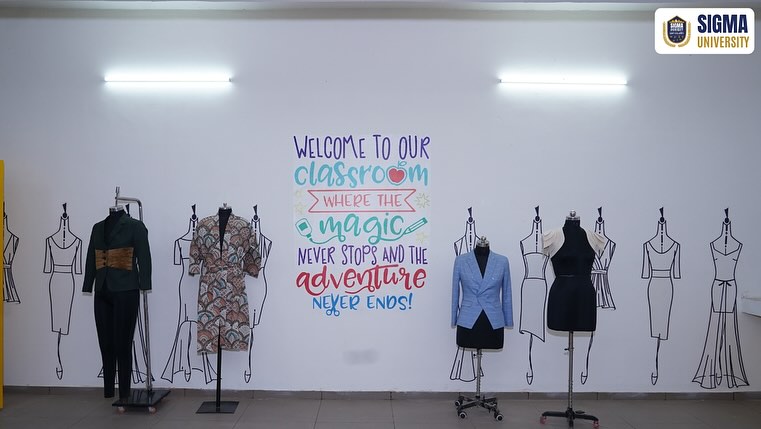
On the first day inside a fashion design studio, something unusual happens. Students donβt begin with textbooks. They begin with fabric.
A piece of cotton is stretched across a dress form. Someone sketches a silhouette.Β
Another student experiments with colour palettes inspired by street markets, cinema posters, or traditional embroidery patterns.Β
In fashion education, creativity meets structure very quickly.
For students who feel drawn to aesthetics, clothing, visual storytelling, and cultural expression, Fashion Designing Courses After 12th can transform that curiosity into a professional path.
Letβs look at how this journey unfolds.
Fashion design education trains students to conceptualise, create, and market clothing and accessories. Students interested in the future of the industry should also read about AI in fashion design.
It combines creativity with technical understanding – from textile science and pattern making to branding and fashion marketing.
A fashion designer course after 12th typically teaches students how to:
Students donβt just design clothes. They learn to build fashion identities.
There are several types of fashion design courses available after 12th, depending on the level and duration:
Each pathway offers different levels of depth, industry exposure, and career opportunities.
A diploma is one of the most practical entry points for students who want to quickly build industry-ready skills.
These programs focus heavily on hands-on learning, such as:
Students spend significant time in studios, sewing labs, and design workshops. And yes, many students build their first mini collection before the course ends.
A degree program offers deeper academic and industry exposure.
Popular programs include:
These programs combine creativity with research, innovation, and entrepreneurship.
Students study fashion history, garment technology, fashion communication, brand development, and sustainability.Β
Final-year fashion shows or portfolio presentations are common – and often attended by recruiters.
Certificate courses are shorter programs that focus on specific skills.
They are ideal for:
Courses may include fashion styling, textile design, boutique management, or fashion illustration.
The eligibility requirements are simple.
Students must:
Interestingly, some of the best designers did not begin as βtop scorers.β They were observers – people who noticed details others missed.
Top design institutes often conduct entrance exams to assess creativity and aptitude.
Common exams include:
These exams evaluate design thinking, observation skills, creativity, and visual reasoning.
Fashion design careers go far beyond designing clothes.
Graduates can work as:
The industry connects creativity with business, retail, media, and entertainment.
Starting salaries depend on skills, institute reputation, and portfolio quality. Students comparing creative careers with other high-paying degree courses after 12th can use salary and scope as a decision factor.
Typical salary ranges include:
Designers who launch successful brands can earn significantly more. Creativity can scale quickly when paired with entrepreneurial thinking.
Success in fashion design requires a mix of artistic and professional skills.
Important abilities include:
But perhaps the most important skill is observation. Designers constantly observe people, culture, seasons, and movement.
Indiaβs fashion industry is evolving rapidly.
Growth is driven by:
Designers today work across global platforms, digital marketplaces, and international fashion weeks.
Fashion is no longer limited to runways. It is technology, sustainability, storytelling, and business combined. Students exploring adjacent design careers can also review career opportunities for interior designers in India.
Students often feel overwhelmed when choosing a course.
Here are practical factors to consider:
A good fashion program balances creative freedom with technical discipline.
A focused program that teaches garment construction, fashion illustration, textiles, and merchandising within a shorter timeframe.
A comprehensive degree emphasising creativity, innovation, fashion theory, and professional portfolio development.
This program combines design creativity with textile science, garment technology, and production techniques.
Short-term programs are designed to build specific skills like fashion styling, boutique management, or fashion sketching.
Online courses allow flexible learning and are popular among students exploring fashion alongside other studies.
A diploma is a specialised training program that focuses on practical design skills, garment construction techniques, and industry exposure within a shorter academic duration.
Most diploma programs last 1β2 years.
Subjects typically include:
Graduates can work as:
Many also start their own boutique businesses.
Fresh diploma holders may earn between βΉ2.5 β βΉ4 LPA initially. With experience and a strong portfolio, income can grow significantly.
Diploma programs focus on practical skills and faster job entry, while degree programs offer deeper design education and broader career opportunities.
Fees depend on the institution’s reputation and facilities:
Degree graduates often pursue advanced design roles or international opportunities, while diploma holders usually begin in practical industry roles and grow with experience.
Yes. Students from Commerce, Arts, or Science streams can pursue fashion designing courses after 12th.
Yes. Indiaβs fashion and apparel industry continues to grow through retail expansion, digital fashion platforms, and global design collaborations.
Entry-level fashion designers typically earn βΉ3β4 LPA depending on skills, internships, and portfolio quality.
Maths is not mandatory in most programs, though basic measurements and garment calculations are required.
B.Des in Fashion Design and Diploma in Fashion Designing are among the most popular programs, depending on career goals and duration preferences.
Fashion design education is not simply about clothing. It is about storytelling through fabric, understanding culture through colour, and transforming ideas into tangible forms.
Students who pursue Fashion Designing Courses After 12th step into a field where creativity meets craftsmanship and design intersects with business.
And the journey often begins with something simple – a sketch, a fabric sample, and the quiet excitement of turning imagination into something the world can wear.
The creative media industry in India is expanding rapidly, and students often compare animation and VFX career opportunities when deciding on their future path.
Both fields offer exciting job roles, global demand, and strong growth potential. However, the choice depends on oneβs artistic strengths, technical interests, and long-term career goals.Β
This blog explains the difference between animation and VFX, highlights skills required, and evaluates industry prospects to help students make an informed decision.
Animation is the process of creating moving images through drawing, digital modeling, or frame-by-frame manipulation.
Β It involves character design, storytelling, background creation, and motion graphics. Students interested in visual storytelling, illustration, and character movement often prefer this field.
VFX involves creating realistic or imaginary visuals that cannot be captured directly through a camera.Β
It blends real footage with computer-generated effects. The difference between visual effects and animation lies in the integration of digital graphics with live action, making VFX more technical and simulation-based.
Understanding the difference between animation and visual effects helps students choose the right path:
Animation uses tools like Maya, Blender, Toon Boom, and Adobe Animate.
VFX relies on Nuke, Houdini, After Effects, Mocha, and Unreal Engine.
Animation requires sketching, creativity, visual design, and character understanding.
VFX requires physics knowledge, compositing, lighting, simulation skills, and strong technical ability. These differences shape the animation vs VFX demand in various industries.
Animation graduates can pursue:
These roles highlight clear paths for animation career growth.
VFX students often explore:
These opportunities contribute to strong VFX career growth across studios.
Salary varies based on skills, city, and project type. In general:
Studios report rising pay trends because of increasing content production. This makes VFX vs animation salary a key consideration for students.
The future scope of animation vs VFX remains strong in India due to OTT platforms, gaming, advertising, and film production. Global outsourcing also contributes to demand.
Animation will grow in areas like ed-tech content, gaming, and mobile apps.
VFX will continue expanding in films, streaming series, and virtual production.
Both fields show excellent long-term prospects.
Choosing animation vs VFX, which is better, depends on your strengths.
For many students, an animation or VFX career choice is based on software expertise and creative interest rather than salary alone.
Start with foundational training in design, drawing, film language, and software.
your portfolio should showcase both creative and technical projects, proving you understand the difference between animation and VFX careers.
Join industry-recognized diploma or degree programs, attend workshops, and collaborate with studios.
Both animation and VFX offer rewarding careers, creative independence, and strong growth potential. The animation vs VFX demand is rising across industries like film, advertising, gaming, OTT, and education.Β
Students must evaluate their personal interests, software skills, and long-term goals to choose the right path. Regardless of the field, success depends on continuous learning, portfolio improvement, and practical experience.
Both animation and VFX offer long-term growth. Animation suits students interested in character design and storytelling, while VFX fits those who enjoy technical simulation and realistic visuals. Career success depends on skills, portfolio strength, and your ability to adapt to industry tools and workflows.
Yes. VFX requires deeper knowledge of physics, lighting, compositing, and simulation tools. Animation focuses more on creativity, movement, and character design. While both fields use digital software, VFX demands more technical precision, especially for live-action integration and high-quality visual outcomes in films and series.
Graduates can work as animators, VFX compositors, lighting artists, roto artists, motion-graphics designers, match-move artists, CG generalists, or storyboard illustrators. Employment opportunities span studios, gaming companies, advertising agencies, OTT platforms, and production houses, requiring both animation and VFX expertise.
Salaries vary based on skills, studio, and job role. Entry-level artists earn modest salaries, but experienced animators and VFX specialists earn significantly more. Technical VFX roles, such as FX simulation and compositing, often command higher pay due to strong industry demand and advanced skill requirements.
Yes. Many professionals switch between the two fields by learning relevant software and building new portfolio projects. Since both fields share foundational design and digital tools, transitioning is possible with consistent practice, certification courses, and project-based learning to demonstrate new technical or creative capabilities.
Both offer global opportunities, but VFX currently has higher international demand due to film, OTT, and gaming industries outsourcing large projects to Indian studios. Animation also provides opportunities in entertainment, education, and mobile content. Global hiring depends on portfolio quality and software expertise.
Yes. Freelancing is popular in both fields, especially in animation, motion graphics, and compositing. Artists work on advertisements, social media content, short films, gaming assets, and international projects. Freelancing offers flexibility, project variety, and the ability to build a strong portfolio for long-term career growth.
The creative industry in India is evolving rapidly, and the demand for skilled professionals in animation, VFX, and gaming has reached new heights.
A diploma in animation, a diploma in VFX, or a specialized diploma in animation, VFX gaming offers students an opportunity to gain hands-on training, industry exposure, and job-ready skills.
As digital entertainment, OTT platforms, advertising, and gaming continue to grow, students seeking a creative, future-ready career can build strong foundations through this program.
With increasing digital content consumption, animated films, gaming apps, and high-quality VFX projects dominate the entertainment world.
Businesses, media houses, and production studios actively hire skilled candidates, creating a strong career in gaming animation VFX for enthusiastic learners.
A diploma in animation, VFX gaming is a skill-focused program that trains students in creative design, visual effects, 2D and 3D animation, simulation, and interactive game development.
It prepares learners for careers in film, gaming, advertising, OTT media, and digital agencies.
Students frequently ask, What is a diploma in animation and VFX gaming, and the answer is simple: it is a comprehensive program to build technical and creative skills for digital entertainment careers.
Candidates who have completed Class 10 or Class 12 from a recognized board are eligible to apply. Some institutions may conduct interviews or skill tests. The fees and eligibility for a diploma in game design and VFX vary by institute, but remain accessible to students passionate about creativity.
Typically, the program lasts 1 to 2 years. Fees depend on facilities, software access, and training quality.
Several universities, including Sigma University, offer industry-relevant programs. When evaluating the top institutes for animation, VFX, and gaming diplomas, students should check infrastructure, faculty expertise, placement support, and software availability.
Students learn:
The animation VFX gaming course helps students develop the technical proficiency and creative thinking needed for industry projects.
Graduates can pursue strong animation, VFX gaming careers in entertainment, gaming, advertising, broadcasting, and digital media companies. The growth of AR/VR, simulation design, and online gaming further expands opportunities.
Common job roles after a diploma in animation, VFX gaming include:
Salaries vary depending on skills, portfolio quality, and studio size.
Industries include:
Students gain creativity, design thinking, attention to detail, technical proficiency, storytelling skills, software expertise, teamwork, and problem-solving abilities. These are essential skills for a diploma in gaming animation and for long-term creative success.
The rise of digital storytelling, gaming, and fantasy cinema offers a stable demand. A career in gaming animation VFX suits students who enjoy art, creativity, and technology.
Benefits:
Challenges:
With expanding OTT platforms, TV production, gaming startups, advertising agencies, and EdTech innovation, Indiaβs future in animation, VFX, and gaming is promising. Skilled professionals will continue to be in demand, offering long-term growth and exciting opportunities.
Sigma University provides advanced labs, expert mentors, industry workshops, creative clubs, and strong placement assistance. The curriculum encourages practical learning and portfolio development, making graduates industry-ready for future creative roles.
Students who have completed Class 10 or 12 from a recognised board can apply. Creative interest, basic drawing skills, and willingness to learn design tools are helpful but not mandatory. Many institutes also conduct interviews to assess aptitude.
Most diploma programs range from one to two years, depending on curriculum depth, studio training, and project requirements. Students gain hands-on experience in animation, VFX, and gaming technologies throughout the duration.
Learners work with tools like Autodesk Maya, Blender, Adobe After Effects, Premiere Pro, Unreal Engine, Unity, and Nuke. These tools help students build strong portfolios and prepare for professional creative roles.
Entry-level salaries typically start modestly but grow quickly with improved skills and portfolio quality. Roles in animation, VFX, and gaming can provide competitive earnings depending on the studio, location, and expertise.
Yes. With rising demand for digital entertainment, gaming, OTT content, advertising, and AR/VR projects, animation and VFX skills offer excellent future scope. Skilled artists will continue to be in demand across creative industries.
Many premium institutions offer strong training, but students should prioritise curriculum quality, software access, faculty experience, portfolio support, and placements. Sigma University provides industry-oriented learning and strong placement support.
Essential skills include creativity, digital drawing, animation tools, storytelling, attention to detail, problem-solving, teamwork, and the ability to adapt to new software. A strong portfolio significantly enhances career opportunities.
Interior design in India is experiencing rapid growth with increasing demand for modern homes, sustainable workspaces, and creative commercial interiors. With evolving lifestyles and design trends,Β career opportunitiesΒ in interior design in India are expanding significantly. By 2025, the industry will offer a wide range of roles, making interior design an exciting and future-ready career choice. Students and professionals exploring the interior design career scope in 2025 will find opportunities in residential, commercial, sustainable, and even government projects.
Engineering, Design, Commerce, Law, Science & more. Join a university built for the future.
Pursuing a career in interior design after graduation provides students with the expertise to transform spaces into functional and aesthetically appealing environments. The field blends creativity, technical knowledge, and business opportunities. Graduates gain access to diverse interior design jobs after a diploma/degree in real estate, construction, architecture firms, and freelance practices. With the demand for personalized designs growing in Indiaβs urban centers, students entering the field after graduation will find strong career prospects.
As design needs evolve, new and emerging career opportunities for interior designers are being created. These roles go beyond traditional residential design and include sustainable design, VR-enabled projects, and international collaborations. Below are some of the emerging opportunities for interior designers that will define the future of the profession.
With urban housing projects and lifestyle-driven interiors in demand, residential design is among the top career paths in interior design. Students can specialize in kitchens, living rooms, modular furniture, and luxury interiors. Comparing commercial vs residential interior design careers, the residential side focuses more on personal lifestyles and customized aesthetics.
Indiaβs rapid expansion of offices, malls, and hotels is fueling demand for career opportunities for interior designers in commercial spaces. Designers are needed for office layouts, retail showrooms, andΒ hospitalityΒ interiors. Large-scale projects highlight the lucrative scope of commercial interior design in India.
Eco-friendly spaces are at the heart of the 2025 interior design trends in India. A career in sustainable & green interior design involves energy-efficient designs, natural materials, and environmentally responsible practices. With rising awareness about climate change, this field offers excellent growth.
Another promising path is pursuing an interior design career in architecture firms. Many firms require designers for space planning, furniture layouts, and material selections that complement building projects. These roles provide stability and exposure to large construction projects.
For those seeking independence, a career as a freelance interior designer offers flexibility and unlimited earning potential. With digital portfolios, social media marketing, and collaborations with contractors, freelancers can work on residential or commercial projects and grow entrepreneurial ventures.
Students often overlook government job opportunities for interior designers in India. Roles exist in urban development, city planning, public infrastructure, and heritage restoration. Government organizations increasingly value design expertise for public projects, offeringΒ long-term careerΒ stability.
The field is broad, with many interior design specializations such as furniture design, lighting design, set design for media, and space planning. Specializing allows designers to stand out in competitive markets and work on niche projects.
Understanding interior design trends 2025 India is essential for career readiness. Future trends include minimalism, smart-home integration, sustainable dΓ©cor, and biophilic design. These trends will shape both career growth in interior designing in 2025 and skill demands across industries.
The interior design salary in India 2025 is expected to rise as demand grows. Entry-level designers may earn βΉ3-5 LPA, while experienced professionals can command βΉ10-15 LPA. International projects also boost earnings, ensuring steady career growth in interior design in 2025.
Students pursuing interior design jobs after a diploma/degree can enter as junior designers, CAD specialists, or project assistants. With experience, they can move into senior roles, management, or entrepreneurship. The diploma provides quicker access to practical roles in the industry.
The interior design scope in India and abroad continues to expand. While India offers opportunities in real estate and commercial development, international demand is growing for designers skilled in sustainability, modular design, and cross-cultural styles.
Choosing the right career depends on individual interests, skills, and goals. Students passionate about creativity and sustainability might prefer green design, while those inclined toward business could explore freelance opportunities. Aligning skills with emerging career options for interior designers ensures growth.
Interior design is no longer limited to decorating homes. By 2025, it will include roles in sustainability, government planning, and high-tech design integration. Students exploring career opportunities in interior design in India will find numerous specializations with global relevance.Β Sigma UniversityΒ provides comprehensive programs, preparing students for these emerging career options for interior designers with practical training and industry exposure.
Yes, government job opportunities exist in urban planning, heritage conservation, and public infrastructure. Interior designers are increasingly hired for city beautification and state development projects across India.
Build a strong portfolio, use social media for client outreach, and collaborate with contractors. Starting small with residential projects allows freelancers to grow their practice independently.
Diploma holders can work as junior designers, CAD operators, or design assistants. These entry-level jobs provide practical industry exposure and open pathways for growth with experience.
Future interior designers need CAD proficiency, 3D modeling, sustainable design knowledge, and project management skills. Creativity, client communication, and material expertise also remain crucial for industry success.
Yes, VR, AR, and 3D modeling are creating new emerging opportunities for interior designers. Designers skilled in these technologies can deliver immersive experiences for clients and improve visualization.
Yes, architects can transition into interior design. Their technical expertise in structures and materials provides a strong foundation, allowing them to specialize in space aesthetics and functionality.
In todayβs creative industries, students often find themselves debating visual communication vs graphic design as career options. Both fields overlap in certain aspects, yet they serve different purposes in the communication and design ecosystem. While graphic design is focused on creating visual content for branding and marketing, visual communication is broader, dealing with how messages are crafted, conveyed, and understood. Understanding the difference between visual communication and graphic design is crucial before selecting a course or career path.
Many aspiring creatives compare graphic design vs visual communication courses because they appear similar in curriculum. Both fields use design principles, creativity, and digital tools, but their intent and career pathways differ. Graphic design often leads to careers in advertising, branding, and digital media, whereas visual communication expands into multimedia storytelling, journalism, education, and corporate communications.
Engineering, Design, Commerce, Law, Science & more. Join a university built for the future.
Visual communication is the study of conveying ideas, information, and stories through visual formats like images, videos, typography, and interactive media. The scope of visual communication extends beyond design, incorporating psychology, media theory, and cultural studies. Graduates in this field can explore careers in media production, advertising, film-making, journalism, digital content, and user experience design.
A successfulΒ hotel management careerΒ is a seamless blend of interpersonal, leadership, and analytical skills. Some of the foundational skills include:
Although connected, there are clear differences between the two fields. The table below highlights the visual communication vs graphic design skills, courses, and objectives.Β Β
Aspect | Visual Communication | Graphic Design |
Focus | Communicating messages, stories, and meaning | Designing visuals for marketing, branding, and user engagement |
Nature | Theory + practice | Primarily practical, design-oriented |
Course Scope | Multimedia, film, photography, journalism, design | Digital tools, branding, advertising, typography |
Career Scope | Journalism, corporate comms, multimedia production | Branding, advertising, UI/UX, digital campaigns |
| Outcome | Broad, message-driven | Design-focused, commercial output |
The focus and purpose of visual communication is message-driven, ensuring clarity of communication in different contexts like education, journalism, and corporate storytelling. Graphic design, by contrast, is design-driven, focused on creating compelling visuals that enhance marketing or business strategies.
Students often compare theΒ visual communication courseΒ syllabus with graphic design programs.
When considering visual communication vs graphic design skills, the difference lies in orientation.
Both disciplines offer strong career paths.
When comparing salaries in visual communication vs graphic design, entry-level salaries in India range between INR 3-5 LPA. Experienced professionals in both fields can earn INR 8-15 LPA or higher, depending on specialization and industry demand. Graphic design roles in branding and digital marketing may pay more initially, while visual communication roles in corporate communications and media grow significantly with experience.
Globally, both fields are highly respected. The best universities for visual communication in India include top private and public institutions that combine creative education with industry exposure. Sigma University also offers competitive design and communication programs designed for practical application and industry readiness.
The visual communication vs multimedia design comparison shows that visual communication is theory-driven and broader, while multimedia design focuses specifically on interactive and digital content like animation and gaming.
When comparing visual communication vs. a fine arts degree, the former emphasizes professional applications like corporate communications and media, while the latter focuses on creative and artistic expression.
The graphic design vs visual arts debate highlights that the visual arts are about personal creativity and cultural expression, whereas graphic design is applied creativity for commercial communication.
Although often used interchangeably, graphic design and communication design differ. Communication design covers all forms of design-driven communication (print, digital, and physical spaces), while graphic design specifically addresses visual elements.
Students often ask which is better, visual communication or graphic design. The answer depends on career goals. If you enjoy strategy, storytelling, and media, choose visual communication. If you prefer branding, digital design, and marketing, pursue graphic design.
To choose wisely:
In summary, both fields are exciting but distinct. Visual communication vs graphic design is about message-driven communication versus design-driven outcomes. Understanding the difference between visual communication and graphic design ensures you choose a path aligned with your skills and aspirations. Both careers are future-proof, and with the right guidance from universities like Sigma University, you can shape a thriving career in the creative industry.
Visual communication demands storytelling, analytical thinking, and multimedia production skills. Graphic design requires a strong command of design software, typography, branding, and visual creativity for digital and print platforms. Both require creativity and adaptability.
No, they differ. Visual communication is broader, focusing on message delivery across media, including print, film, and digital. Multimedia design specializes in animation, gaming, and interactive media within digital environments.
Career options include media strategist, filmmaker, journalist, advertising professional, UX researcher, and digital content producer. The career options after a visual communication degree span both creative industries and corporate sectors globally.
Eligibility criteria usually vary depending on the program level and institution but generally include:
Some institutions may also have entrance exams or interviews to assess candidates.
The fashion industry is widely known for its dynamic and ever-evolving nature. However, with artificial intelligence (AI) integration, the industry is experiencing a transformative shift. This technological advancement is streamlining the design process and reshaping how fashion is perceived, created, and consumed globally.Β
Artificial Intelligence consists of computer systems capable of carrying out tasks usually requiring human intelligence, such as learning, reasoning, and problem-solving. Similarly, AI predicts trends in fashion, personalizes shopping experiences, optimizes supply chains, and designs apparel. This combination of technology and creativity is paving the way for innovative solutions in the fashion sector.Β
Engineering, Design, Commerce, Law, Science & more. Join a university built for the future.
AIβs role in fashion designΒ goes beyond mere automation. It involves analyzing vast databases to predict and forecast trends, understand consumer preferences, and generate design prototypes. By using the power of machine learning algorithms and computer vision, designers can gain insights into patterns and styles that resonate with target audiences, enhancing creativity and efficiency.Β
AI in fashion designΒ aids in creating innovative designs by analyzing current trends and consumer preferences. Tools like generative adversarial networks (GAN) can generate new clothing designs by learning from the old and existing styles. This accelerates the design process and introduces unique creations that might not emerge through traditional methods.Β
Beyond design, AI is transforming operations across the fashion industry β from virtual fitting rooms and chatbots to personalized retail marketing strategies.Β
Professionals at this intersection of fashion and technology should also exploreΒ digital marketing career trends in India, where AI-powered campaigns, influencer marketing, and performance advertising are rapidly emerging as high-growth roles for 2026.
The birth of AI has led to innovations such as bright clothing equipped with sensors that can monitor health metrics and adaptive apparel that changes color or shape as a response to environmental stimuli. Additionally, AI-powered platforms analyze body measurements to recommend the best fit, reducing return rates and increasing customer satisfaction.
AI clothingΒ represents the convergence of fashion and technology, resulting in garments that offer functionality beyond aesthetics. Examples include:
The rise of virtual models created by AI is bringing a huge shift in the fashion industry and marketing. These digital avatars showcase clothing without needing physical photoshoots, offering several advantages.
AI enhances creativity by providing designers with tools to generate design variations, suggest appealing colour palettes, and predict how different fabrics behave β expanding the boundaries of traditional design.Β
These advancements are creating exciting,Β high-paying career options for arts studentsΒ who combine a strong creative foundation with digital and AI literacy.
Several factors contribute to AIβs influence on fashion, such as:
AI in FashionΒ Retail enhances the shopping experience through the following:
AI filters on social media platforms influence consumer preferences by:
Retailers leverage AI to cater to personalized shopping experiences by:
Globally, AI adoption in fashion varies:
India is witnessing a surge in fashion AI startups such as Stylumia, NeuroPixel.AI, and Bigthinx, all reshaping how fashion is created, catalogued, and experienced.Β
Students aspiring to enter this industry should start by exploring theΒ best UG courses in design and technology, building the foundational creative and technical skills required to work alongside AI-driven platforms in the fashion sector.
While AI offers numerous benefits, it also raises ethical considerations:
Ethical implications include:
The industry must balance innovation with responsibility by:
The integration ofΒ AI in fashionΒ is set to revolutionize the industry, offering opportunities for innovation, efficiency, and personalized computer experiences. AsΒ AI in fashionΒ continues to grow, it will play a key role in shaping its future.Β
UnderstandingΒ AIβs application in fashionΒ is important for students aspiring to enter this dynamic field. Educational institutions like Sigma University offer programs that seamlessly blend technology and design, equipping students with the skills needed to thrive in the ever-changing industry. For more information on programs that integrateΒ AI and fashion design,Β contact us at Sigma University. Our admissions team is always ready to help you understand and explore the opportunities that await in this cutting-edge field.
AI has been transforming fashion design by automating tasks like trend forecasting, pattern creation, and virtual prototyping. It analyzes fashion data to predict styles, optimize fabric selection, and reduce waste. AI in fashion enhances creativity, speeds up production, and improves customization, streamlining workflows for designers.
The use of AI in fashion has been raising concerns about data privacy, job displacement, and sustainability. Privacy risks arise from AIβs reliance on consumer data, while automation may reduce employment opportunities. Additionally, AI-generated designs might lack originality, replicating existing styles instead of creating unique fashion pieces.
AI can assist but not replace traditional fashion designers. While AI aids in efficiency and provides data-driven insights, it cannot replicate the creativity, cultural influences, and storytelling that human designers bring. AI in fashion serves as a tool that enhances, not replaces, the design process.
The gaming industry has experienced exponential growth, leading to a rise in demand for specialized roles such as Game Environment Designers.Β
A game environment designer, also known as a 3D environment artist, creates the backgrounds for video games. They work in a variety of environments, including fantasy and realistic settings.Β
These professionals play a pivotal role in crafting immersive worlds that captivate players worldwide. This comprehensive guide delves into the career trajectory of a game environment designer, outlining the necessary skills, educational pathways, and potential career opportunities.Β
AΒ Game Environment Designer, often referred to as aΒ 3D Environment Artist, is responsible for ideating and creating the visual setting within a game.Β
This includes designing landscapes, architecture, and objects that make up the gameβs world. Their work ensures the gameβs environment is visually appealing and enhances the gameplay experience.Β
Engineering, Design, Commerce, Law, Science & more. Join a university built for the future.
The environment in a game significantly influences player immersion. A well-designed setting can convey the gameβs narrative, set the mood, and provide context for the playerβs actions.Β
As such,Β Game Environment DesignersΒ collaborate closely with the other team members to ensure a cohesive and engaging world.
Pursuing formal education can provide a solid foundation for a successful career inΒ game environment design. Relevant degrees include:
For those seeking flexible learning options, numerous online platforms offer courses inΒ game environment design:
These resources allow learners to acquire quick skills at their own pace and stay updated with industry trends.
Graduates often begin their careers in roles such as JuniorΒ Environment ArtistΒ or 3D Modeler. In these positions, they assist in creating environmental assets under the guidance of senior artists.
With experience, professionals can advance to senior roles, taking on more complex projects and leading teams. Responsibilities may include overseeing the design of entire game levels and mentoring junior artists.
Beyond traditional game development studios, opportunities exist in:
A compelling portfolio is crucial for showcasing your skills to potential employers. It should include:
Engaging in game jams or collaborative projects can enhance your skills and build a solid portfolio.
Despite challenges, the career offers:
Embarking on a career as a Game Environment Designer requires a seamless amalgamation of artistic talent, technical skills, and continuous learning.
By pursuing relevant education, sharpening your craft, and building a strong portfolio, you can create immersive worlds that captivate players around the world.
For personalized guidance and information on suitable courses, contact us today to take the first step toward your dream career in game environment design.
A game designer focuses on gameplay mechanics, story, and user experience, shaping the overall game structure. In contrast, a game environment designer specializes in visualizing and creating immersive game worlds, designing landscapes, lighting, textures, and interactive details to enhance the player experience.
To transition and develop skills in level design, game mechanics, and player navigation. Gain experience with game engines like Unreal Engine or Unity, focusing on 3D environment reference integration. Build a portfolio showcasing full-level designs, environmental storytelling, and player interaction to enhance game environment design skills.
Environmental artists have strong job prospects in the gaming industry, with demand from AAA studios, indie developers, VR/AR companies, and animation studios. 3D environment artists are sought after for their expertise in game environment design, with freelance and remote work opportunities expanding globally.
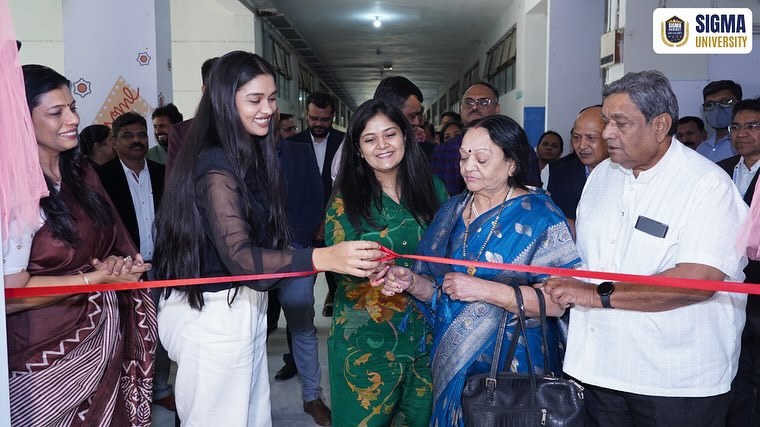
Sigma University ushered in a new era of creativity and innovation on March 6, 2024, as it proudly inaugurated the Faculty of Design in collaboration withΒ FreebirdΒ Design.Β
This momentous occasion marked a significant milestone in the universityβs journey toward excellence in design education and creative arts.
The inauguration ceremony was a celebration of collaboration and partnership, as Sigma University expressed gratitude toΒ FreebirdΒ Design Academy,Β FreebirdΒ Animation India for their invaluable support in bringing this visionary project to life.Β
Their expertise and dedication played a pivotal role in shaping the vision of theΒ Faculty of DesignΒ and transforming it into a reality. Together, they laid the foundation for a vibrant and dynamic hub of creativity within Sigma University.

Engineering, Design, Commerce, Law, Science & more. Join a university built for the future.
The Faculty of Design promises to be a catalyst for innovation, offering students a platform to explore their creative potential and develop skills that are essential for success in todayβs competitive world.Β
With a focus on interdisciplinary learning and hands-on experience, the faculty aims to nurture the next generation of designers, artists, and creative thinkers.

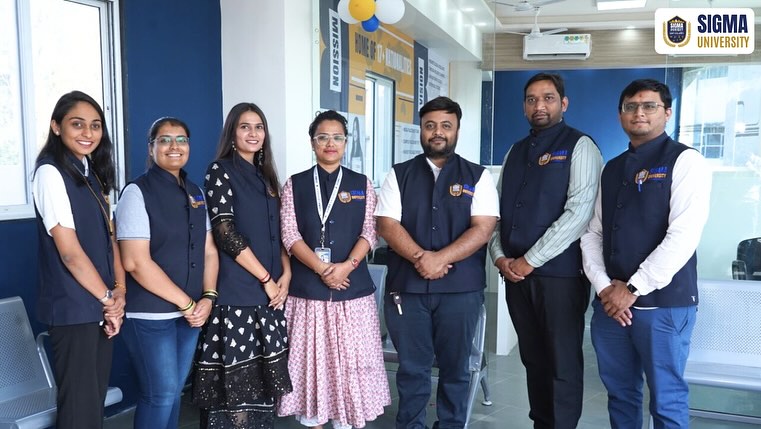
One of the highlights of the inauguration was the unveiling of Sigma Universityβs state-of-the-art Admission Office for the 2024-2025 academic year.Β
This modern facility is designed to streamline the enrollment process for students, providing them with a seamless experience from application to admission.Β
By simplifying administrative procedures and offering personalized support, the Admission Office aims to enhance the overall student experience and ensure that every student feels welcome and supported at Sigma University.
The inauguration ceremony was attended by faculty members, students, alumni, and esteemed guests from the design industry. It was an opportunity for the Sigma community to come together and celebrate a shared vision of excellence and innovation.Β
The event was filled with excitement, as attendees explored the newly inaugurated facilities, interacted with faculty members, and learned about the diverse range of programs and opportunities available within the Faculty of Design.

As Sigma University embarks on this new chapter, it remains committed to its mission of providing a transformative educational experience that empowers students to realize their full potential.Β
The Faculty of Design represents a commitment to fostering creativity, critical thinking, and problem-solving skills, preparing students to become leaders and innovators in their respective fields.
In conclusion, the inauguration of the Faculty of Design atΒ Sigma UniversityΒ marks the beginning of an exciting journey towards excellence in design education.Β
With state-of-the-art facilities, industry partnerships, and a dynamic curriculum, the faculty is poised to become a leading destination for aspiring designers and creative professionals. As we look ahead to the future, we are filled with anticipation and excitement for the opportunities that lie ahead.