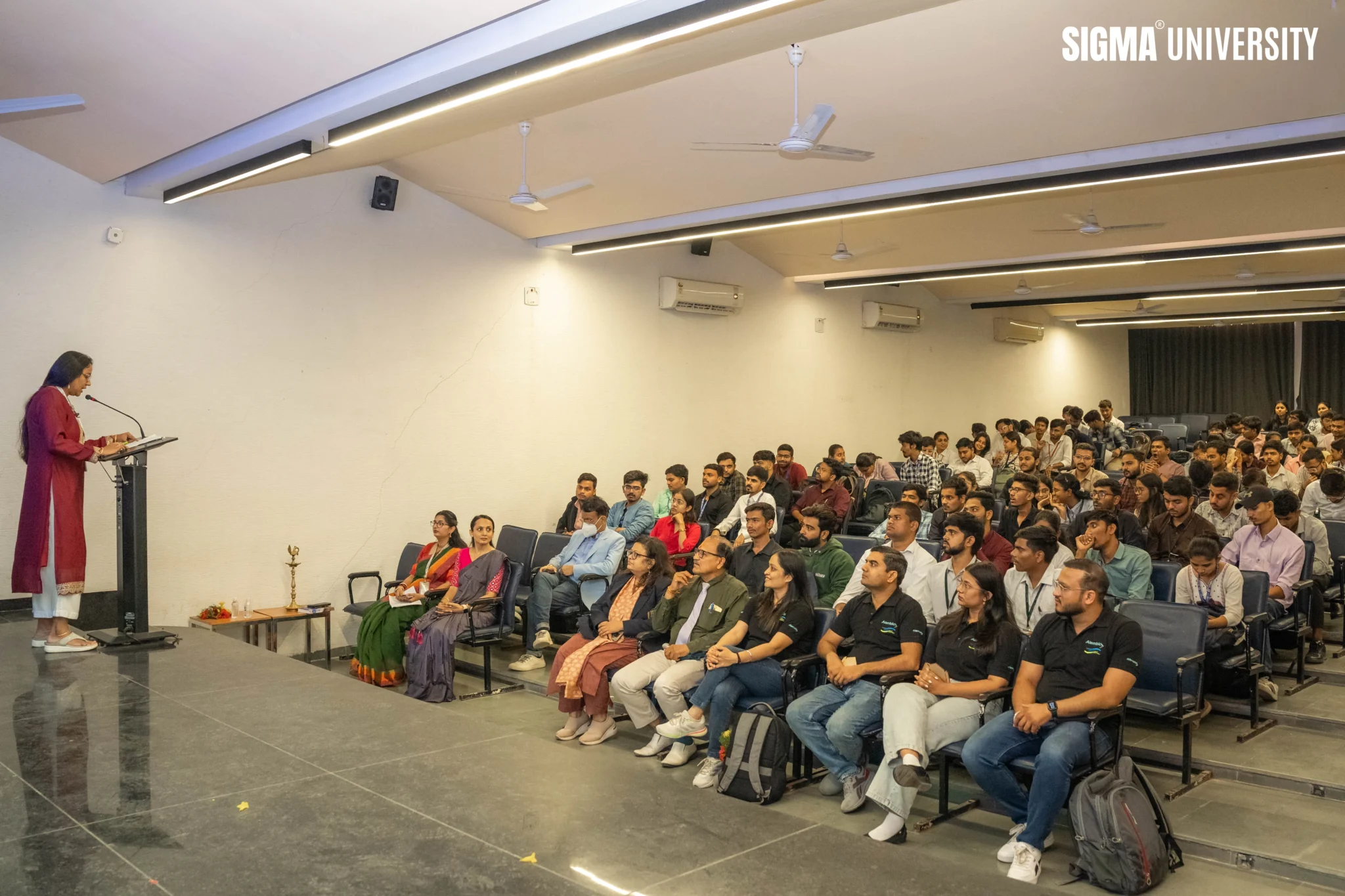
Entrepreneurship Development At the university
Why Career-First Universities Are Shaping the Future of Indian Higher Education
Indian higher education is at a defining moment. For many years, the focus has been on expanding access by increasing the number of institutions, programs, and seats across disciplines.
While this expansion has created wider opportunities, it has also introduced a new challenge—students today have more choices than ever before, yet often lack clarity about how those choices translate into long-term careers.
Each year, millions of students complete Class 12 and are required to make academic decisions that significantly influence their professional futures.
Disciplines such as engineering, management, computer applications, hospitality, and pharmacy remain popular, but the connection between academic pathways and real-world career outcomes is not always clear.
In a rapidly evolving economy shaped by technology, innovation, and entrepreneurship, this lack of visibility can lead to uncertainty and misalignment.
The challenge is not the relevance of education itself, but the absence of structured career guidance within the learning journey.
As the nature of work continues to change, universities are being called upon to rethink their role—not merely as degree-awarding institutions, but as partners in shaping employable, adaptable, and future-ready professionals.
Bridging the Gap Between Education and Employability
For many students, course selection is influenced by entrance exam results, societal expectations, peer decisions, or perceived job security.
Career aptitude, personal interests, and evolving industry needs often receive limited attention at this stage.
As a result, students may enter undergraduate programs without a clear understanding of the professional pathways available after graduation.
Career guidance is frequently introduced late in the academic cycle, typically during final-year placement activities, when it becomes difficult to change direction or build missing competencies.
This gap becomes evident when graduates struggle to adapt to workplace expectations or realise that their academic choices do not align with their aspirations.
Employers, in turn, highlight the need for graduates who possess not only subject knowledge but also practical skills, critical thinking, and adaptability.
These challenges point to a broader structural issue—education has traditionally been viewed as a standalone phase rather than the foundation of a long-term professional journey.
The Importance of a Career-First Approach
In today’s workforce, flexibility, interdisciplinary thinking, and continuous learning are essential. Automation and digital transformation are reshaping roles across sectors, making traditional linear career paths increasingly uncommon.
In this context, universities must begin with outcomes in mind.
A career-first approach strengthens academic learning by connecting it to real-world application. It enables students to understand how theoretical knowledge evolves into practical skills and how those skills create diverse career opportunities.
By integrating career conversations early, encouraging experiential learning, and exposing students to industry realities, universities help learners build long-term capabilities rather than short-term credentials.
This approach also aligns closely with the aspirations of today’s generation. Increasingly, students are not limited to conventional nine-to-five roles; many seek independence, innovation, and the opportunity to create meaningful impact.
Entrepreneurship, in particular, has emerged as a powerful career pathway—one that drives economic growth, job creation, and innovation.
Entrepreneurship as a Core Career Pathway
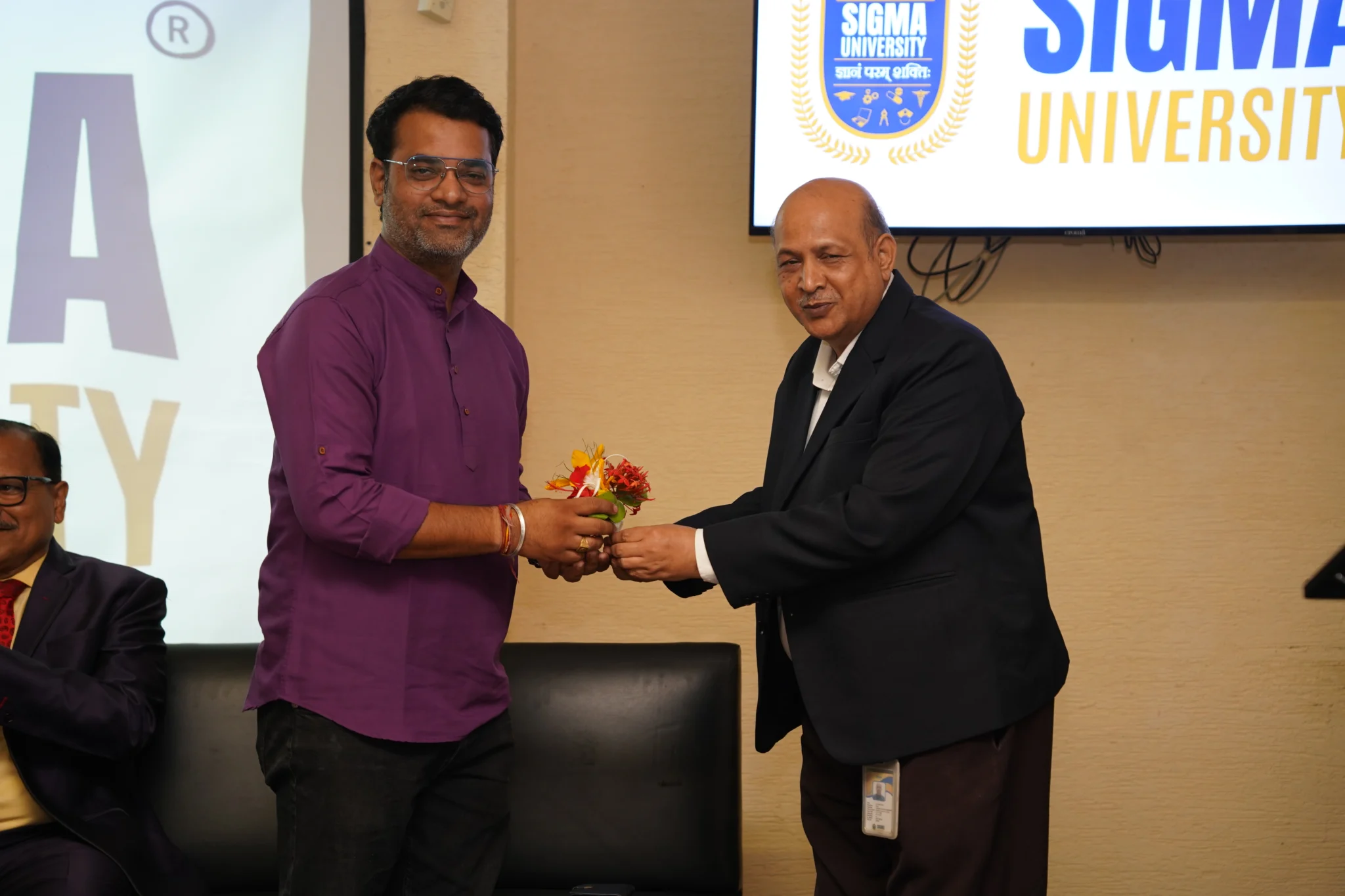
Recognising the growing entrepreneurial mindset among students, Sigma University actively promotes a culture of innovation and enterprise.
The University encourages students to explore entrepreneurial opportunities alongside traditional career paths, enabling them to become job creators as well as job seekers.
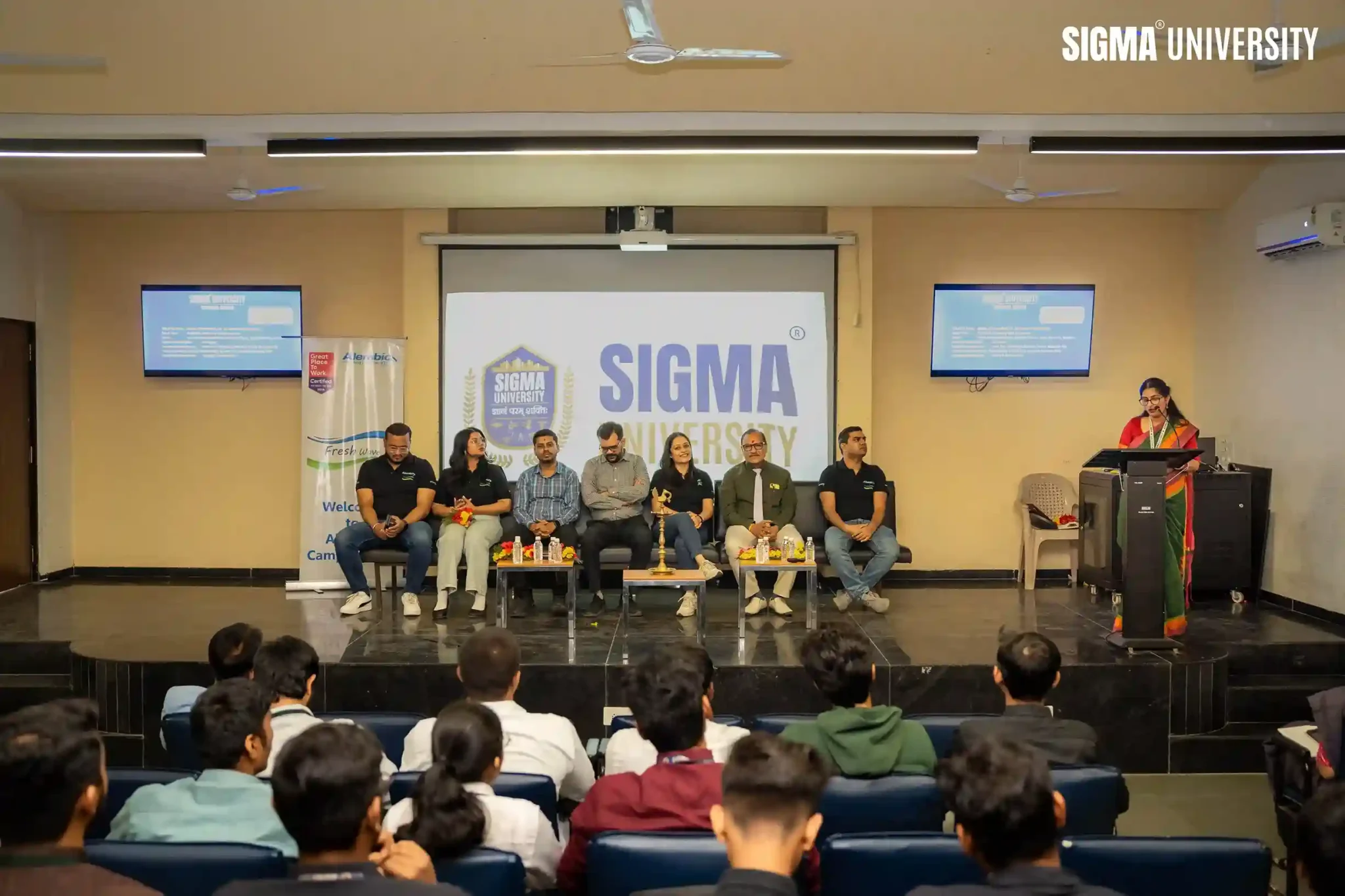
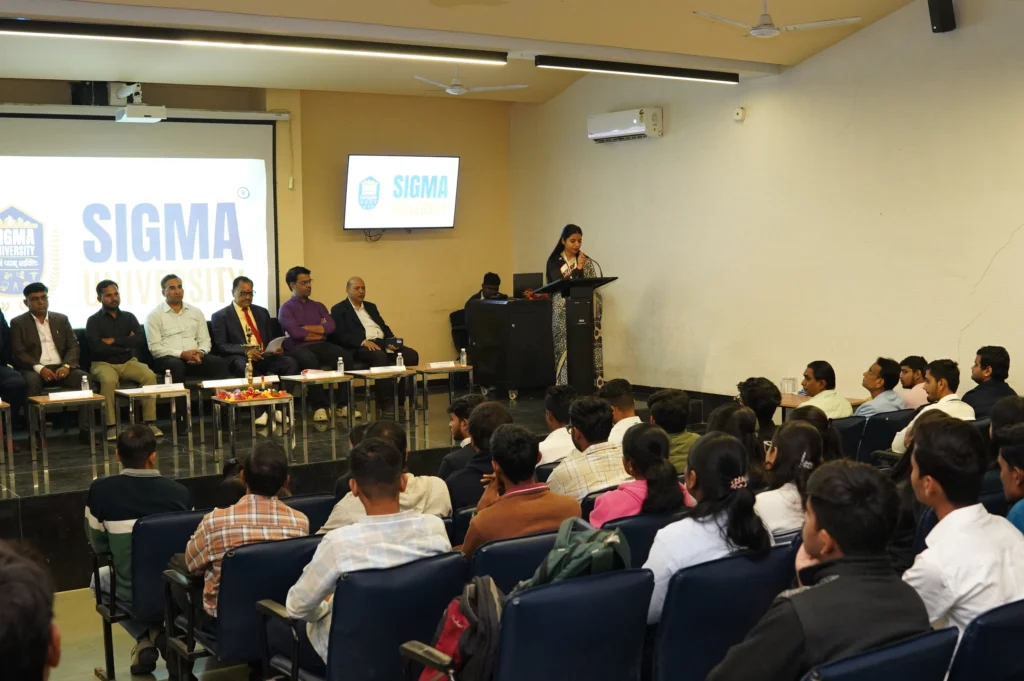
To support this vision, Sigma University conducts a wide range of entrepreneurship development activities on campus.
These initiatives are designed to nurture creativity, problem-solving abilities, leadership skills, and business awareness across disciplines.
Through workshops, mentoring sessions, expert talks, and hands-on projects, students are guided to transform ideas into viable ventures.
A cornerstone of this ecosystem is the Sigma Entrepreneurship Development and Incubation Centre (SEDIC). Established to support student-led startups, SEDIC assists learners from the ideation stage through early business development and funding readiness.
The Centre provides structured guidance on business planning, market validation, and intellectual property awareness, including support for copyright-related processes. Regular seminars and interaction with industry professionals further enhance students’ entrepreneurial readiness.
In addition, the Sigma Institute of Engineering SSIP Cell plays a vital role in strengthening innovation and startup culture among engineering students.
The SSIP Cell supports innovation-driven projects and startups through funding, expert mentorship, access to co-working spaces, and assistance with patent filing and legal procedures.
This initiative is supported under a project funded by the Gujarat Knowledge Society, Gandhinagar, reinforcing the University’s commitment to innovation-led education.
Career Clarity Across Disciplines
A career-first and entrepreneurship-driven approach benefits students across all academic domains. In engineering, learners are exposed to pathways ranging from core technical roles to emerging technologies, research, and startups. Early awareness enables them to build relevant skills aligned with industry demands.
In commerce and management, students develop strategic thinking, leadership abilities, and decision-making skills essential for careers in business, finance, and entrepreneurship. Computer application programs prepare students for rapidly evolving roles by strengthening foundational skills that adapt to technological change.
Hospitality education opens doors beyond traditional hotel management, extending to aviation, event management, luxury services, and global service industries. Pharmacy education supports careers in healthcare, research, regulation, and advanced studies, requiring both academic rigor and professional awareness.
Across disciplines, career clarity emerges when education is positioned as a bridge to multiple professional futures.
The Future of Indian Higher Education
As India’s economy continues to evolve, universities must align education with employability, learning with purpose, and guidance with growth.
Degrees will remain important—but career direction and adaptability will define long-term success.
The next phase of Indian higher education will be shaped by career-first universities that recognise this shift early and respond with intent.
By embracing innovation, entrepreneurship, and career readiness, institutions like Sigma University are helping students prepare for meaningful, future-ready careers.