
M.Tech in Production Technology
Manufacturing today isn’t just about machines; it’s about efficiency, precision, and smart systems. An M.Tech in Production Technology focuses on improving how products are designed, produced, and optimised at scale.
The program blends core engineering with modern tools like automation and digital manufacturing, preparing you to solve real-world industrial challenges and enhance production processes.
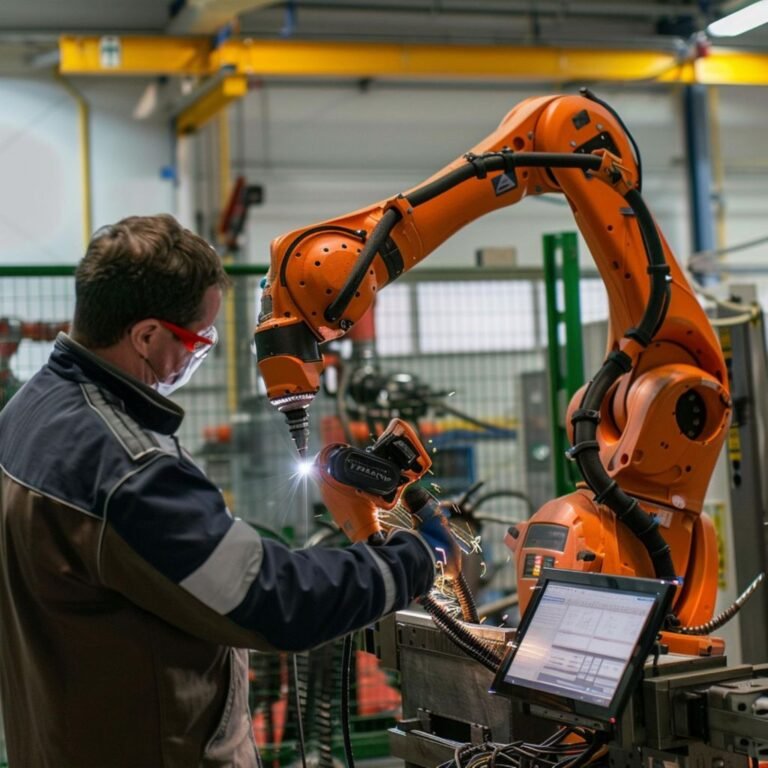
M.Tech in Production Technology: Master's Program Overview
An M.Tech in Production Technology is a postgraduate program designed for engineers who want to go beyond basic mechanical knowledge and get into the science of manufacturing systems, process optimisation, and industrial innovation. It typically spans two years and blends theory with hands-on exposure.
At Sigma University, the program sits inside a massive 26.7 lakh sq. ft. campus, which matters more than you’d think. Why? Because production technology isn’t something you learn from slides alone. Labs, workshops, and real-world simulations play a huge role.
What this program focuses on:
- Advanced manufacturing processes
- Industrial automation and robotics
- Quality control and lean manufacturing
- CAD/CAM and digital production tools
- Supply chain and operations management
The reality is, industries today don’t just want engineers. They want problem-solvers who understand production at scale.
Eligibility Criteria for M.Tech in Production Technology
Academic Requirements
To get into an M.Tech in Production Technology, you’ll need:
- A B.Tech or BE in Mechanical Engineering, Production Engineering, or a related field.
- Minimum 50% marks (45% for reserved categories).
- A solid understanding of core engineering fundamentals.
Pretty straightforward. Your undergraduate basics matter a lot here. This isn’t a course where you can “figure things out later.”
Entrance Exams (GATE and University Level)
Admissions are usually based on entrance exams. Two main routes:
University-Level Entrance Test
- National-level exam
- Tests core engineering subjects and aptitude
- A strong score improves chances significantly
Entrance Exams (GATE and University Level)
- Conducted by Sigma University
- Focuses on technical fundamentals and analytical ability
Some students rely entirely on GATE. Others take the university route. Either way, preparation matters more than the exam type.
Admission Process of M.Tech in Production Technology
The process is simple, but you need to get the steps right:
- Visit the official Sigma University website
- Fill out the online application form
- Upload required documents (marksheets, ID proof, etc.)
- Submit entrance exam scores (GATE or university test)
- Pay the application fee
- Wait for shortlisting and confirmation
And yes, don’t leave this till the last minute. Seats fill up faster than most expect.
Syllabus & Specialisations for Production Technology M.Tech Course
Let’s talk about what you’ll actually study. Because this is where the real transformation happens.
Core Subjects (M.Tech in production technology subjects)
- Advanced Manufacturing Technology
- Computer-Integrated Manufacturing
- Robotics and Automation
- Industrial Engineering and Management
- Quality Engineering and Six Sigma
- Tool Engineering and Design
- Operations Research
But it’s not just theory. You’ll work on:
- Real-world production case studies
- Simulation tools
- Industry-based projects
Specialisation Areas
Depending on the university and electives, you may explore:
- Smart Manufacturing
- Additive Manufacturing (3D Printing)
- Lean Production Systems
- Supply Chain Optimisation
- Industrial Automation
Think of this phase as shaping your niche. The broader your understanding, the sharper your specialisation needs to be.
Fees & Scholarships for M.Tech in Production Technology
Fees can vary, but here’s the general idea:
- Tuition fees depend on facilities, labs, and program structure
- Sigma University offers competitive pricing compared to many private institutions
Scholarships are available based on:
- Academic performance
- Entrance exam scores (especially GATE)
- Merit-based criteria
Don’t just look at fees. Look at what you’re getting in return. Infrastructure, exposure, and placement support matter just as much.
Placements & Career Opportunities After M.Tech in Production Technology
Sigma University reports 250+ recruiters, which tells you one thing: industry connections are active.
Job Roles
After completing your M.Tech in production technology, you can step into roles like:
- Production Engineer
- Manufacturing Engineer
- Quality Control Manager
- Operations Manager
- Industrial Engineer
- Supply Chain Analyst
- Automation Engineer
And yes, these roles aren’t limited to factories anymore. Many are moving into tech-driven environments.
Top Recruiters
Graduates are typically hired by:
- Automotive companies
- Heavy machinery manufacturers
- Aerospace firms
- FMCG giants
- Logistics and supply chain companies
Some common recruiter categories include:
- Core engineering companies
- MNC manufacturing firms
- Consulting and operations firms
What this really means is your career isn’t boxed into one industry.
Why Choose Sigma University for Completing M.Tech in Production Technology?
Sigma University stands out for a few reasons:
- Large campus (26.7 lakh sq. ft.) with dedicated labs and workshops
- Strong industry connections
- Focus on practical learning, not just theory
- Exposure to real-world production challenges
- Supportive academic structure with experienced faculty
But here’s the bigger point: production technology needs space, equipment, and industry interaction. And Sigma seems to tick those boxes.
If you’re someone who enjoys solving real-world engineering problems, not just studying them, this path makes sense.
But don’t choose it just because it sounds technical. Choose it if you’re curious about how things are made, improved, and scaled.
FAQs
It depends on your goals. Mechanical Engineering is broader. Production Technology is more specialised.
If you’re interested in:
- Manufacturing systems
- Process optimisation
- Industrial efficiency
Then production technology might be the better fit. It’s more focused and often more aligned with industry needs.
You’ll find opportunities across:
- Automotive
- Aerospace
- Manufacturing
- FMCG
- Logistics
- Heavy engineering
The reality is, any industry that produces something at scale needs production experts.
Yes, absolutely.
You can work on:
- Process optimisation techniques
- Automation systems
- Smart manufacturing technologies
- Sustainable production methods
And if you’re thinking about a PhD later, this degree builds a solid foundation.
You’ll build a mix of technical and analytical skills, including:
- CAD/CAM software proficiency
- Robotics and automation systems
- Data analysis for production efficiency
- Quality control techniques
- Lean manufacturing principles
But more importantly, you’ll learn how to think like a systems engineer.
Leading Companies Hiring from Our School
Leading companies hire our graduates for their industry-ready skills, strong academics, and hands-on experience.
Highest Salary Package
Recruiters
Placements
Research Paper
Our Placement Partners
At Sigma, we shape global careers with proven worldwide placements.





















Structured classroom sessions and personal interaction with faculty
Structured classroom sessions and personal interaction with faculty
Structured classroom sessions and personal interaction with faculty
Structured classroom sessions and personal interaction with faculty
Academic and Campus Facilities
At Sigma University, our campus pulses with the
vibrancy of tech-savvy students who exude an
infectious enthusiasm for innovation and technology.
Personalities at Sigma

Writer and Orator

Motivational Speaker

Spokesperson

Consulate General, Republic of Indonesia,
Blogs

Tips to Crack a Technical Interview: DSA Questions Asked by Top Companies

CA vs MBA: Career Growth Comparison for Commerce Students

Time Management Tips for Engineering Students: Balancing Studies & Skills

How to Compare Private Universities in India?

What Is University Accreditation? Why It Matters When Choosing a University

Know About the Best Colleges in Gujarat for Computer Engineering

B.Tech Mechanical Engineering: Core Companies vs IT Companies for Career
