Why Your Choice of College Matters
Every year, many students dream of building a career in hotels, airlines, cruise lines, and the tourism industry.
But a common mistake most students make is choosing a college without fully understanding what actually shapes their career.
As a Placement Coordinator at the Faculty of Hospitality & Tourism (FHT), I often hear:
“Which hotel management course is best for my future?”
The answer isn’t about picking the most popular institute—it’s about choosing a program that aligns with your career goals, learning style, and long-term vision.
Whether you aim to become a chef, work in luxury hotels, join aviation, or start your own café, your foundation matters.
Key Parameters to Consider Before You Enrol
1. Academics & Course Structure
The curriculum is the backbone of your learning.
A well-designed hospitality program should include:
- Food production and culinary skills
- Food & beverage service
- Front office operations
- Housekeeping
- Business communication and basics of management
Just as important is practical exposure. Hospitality is a hands-on field—so your learning should go beyond classrooms.
At FHT, Sigma University, programs like the Diploma in Hotel Management & Catering Technology (DHMCT) combine theory with practical training and business-oriented subjects, helping students understand both operations and management.
2. Affiliations & Academic Credibility
Before choosing any institute, verify:
- University recognition
- Valid approvals and affiliations
- Structured and updated curriculum
A credible academic framework ensures your qualification holds value when applying for jobs or higher studies.
3. Faculty & Industry Exposure
Faculty members play a crucial role in shaping your skills and mindset.
Look for institutes where:
- Faculty have industry experience
- They bring real-world case studies into teaching
- Students receive mentorship beyond academics
Learning from professionals who have worked in real hospitality environments gives you a strong practical edge.
4. Student–Teacher Ratio
In skill-based courses, personal attention matters a lot.
Smaller batches help you:
- Get direct feedback during practical sessions
- Improve technical skills faster
- Build confidence in communication and presentation
This is especially important in kitchen training, service techniques, and grooming.
5. Infrastructure & Practical Labs
Your learning environment directly impacts your skill development.
A good institute should have:
- Well-equipped training kitchens
- Restaurant and service labs
- Front office simulation setups
- Housekeeping practice areas
At FHT Sigma University, students train in environments designed to simulate real hotel operations, making the transition to industry smoother.
6. Placements & Career Opportunities
Placements are often the deciding factor—but don’t just rely on brochures.
Instead:
- Talk to alumni on LinkedIn
- Connect with current students
- Understand internship opportunities
- Check the variety of recruiters
A strong institute provides exposure to hotels, QSR brands, airlines, and even international opportunities.
Know Your Goal Before Choosing
Before applying, ask yourself:
- Do I enjoy working with people and service?
- Do I want to build a career in hotels, aviation, or tourism?
- Am I interested in starting my own food business?
Clarity at this stage helps you choose the right program and specialization.
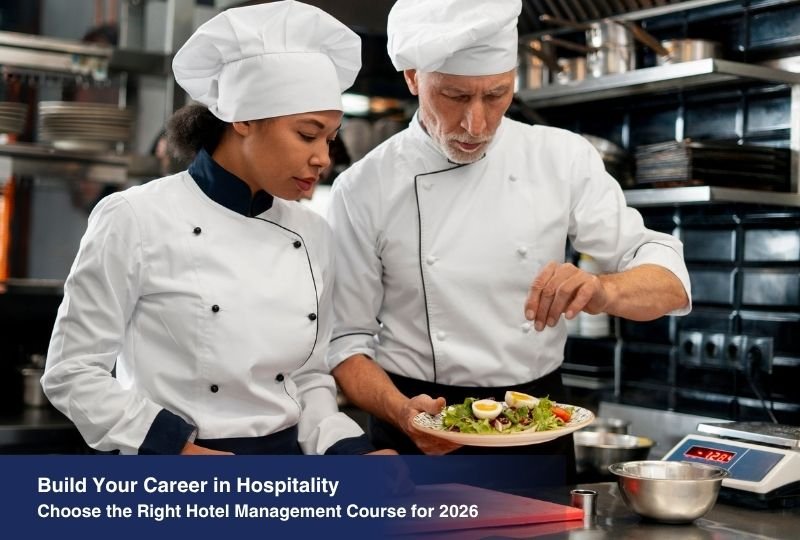
If You Want to Become a Chef
If your goal is to work in professional kitchens, focus on:
1. Culinary Training Quality
- Exposure to multiple cuisines
- Strong basics in cooking techniques
- Bakery and confectionery training
2. Practical Learning Hours
The more time you spend in the kitchen, the better your skills.
3. Alumni Success
Check if former students are working in reputed hotels or restaurants.
Programs like DHMCT at FHT Sigma University provide early exposure to kitchen training along with food safety, nutrition, and operational knowledge.
Diploma in Hotel Management Admission 2026 – What You Should Know
Program Overview
- Duration: 3 Years
- Eligibility: 10+2 from a recognised board
- Focus: Core hospitality skills + practical training + communication development
This program is ideal for students who want to enter the industry early and build strong fundamentals.
Admission Process
If you’re planning for 2026 admission:
- Track Admission Timeline
Admissions usually begin around May and continue till October. - Apply Through Official Channels
Use the university’s admission portal or connect with the admission team. - Keep Documents Ready
- 10th & 12th mark sheets
- ID proof
- Passport-size photos
- Certificates (if any)
What Makes FHT Sigma University a Strong Choice
When evaluating all key factors—academics, faculty, infrastructure, and placements—FHT Sigma University offers:
- Industry-focused curriculum
- Practical training with modern facilities
- Internship and placement support
- A growing alumni network
The goal is not just to help you get your first job, but to prepare you for long-term growth in the hospitality industry.
Your Next Steps
If you’re serious about a career in hospitality:
- Define your career goal clearly
- Shortlist a few good institutes
- Visit campuses and interact with students
- Apply early for Diploma in Hotel Management Admission 2026
FAQ
You need to complete 10+2 from a recognised board.
Yes, it offers opportunities in hotels, airlines, cruise lines, and entrepreneurship.
Communication, teamwork, adaptability, and customer service skills are essential.
Yes, many students go on to start cafés, restaurants, or catering businesses.

Index
Most Popular