University life today is not just about lectures and libraries. It is a constant negotiation between ideas, deadlines, curiosity, and distraction. The difference between merely coping and truly excelling often comes down to one thing: how effectively you use the digital ecosystem around you.
The right set of online learning tools can quietly transform your academic journey, making complex concepts clearer, research faster, and your thinking more structured.
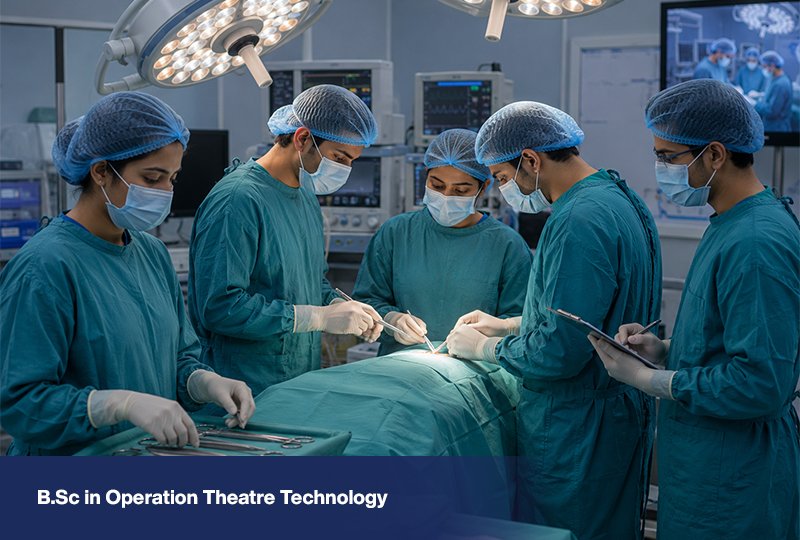
B.Sc in Operation Theatre Technology
Not everyone is comfortable inside an operating theatre. The lights are intense. The pressure is real. Every second matters. But for some students, that environment sparks something powerful. A sense of purpose. A career that actually means something.
That’s where a B.Sc. in Operation Theatre Technology program steps in.
Reduce Cognitive Overload
They organise information so your brain can focus on understanding, not remembering where everything is.
Accelerate Learning
Through AI-powered recommendations and smart search, you reach insights faster than traditional methods allow.
Enable Deeper Thinking
By handling routine tasks, they free up mental space for creative analysis and critical reasoning.
Improve Collaboration
Real-time platforms allow seamless group work, bridging distance and time zones across departments.
What is Operation Theatre Technology?
Operation Theatre Technology is a specialised branch of allied healthcare, focused on managing operation theatres, surgical instruments, infection control and patient support during surgeries.
Students in a B.Sc in Operation Theatre Technology program learn how surgical environments function from the inside. Not just theory. Real operating room coordination. Real patient care. Real emergency support.
The course combines medical science with technical expertise. You’ll understand anatomy, microbiology, anaesthesia support systems, sterilisation techniques, surgical procedures, and theatre management.
Roles & Responsibilities of OT Technologists
An OT technologist handles multiple responsibilities before, during, and after surgeries, including:
- Preparing operating theatres before procedures.
- Sterilising instruments and surgical equipment.
- Assisting surgeons and anaesthetists during operations.
- Monitoring patient safety inside the OT.
- Managing surgical supplies and equipment.
- Following infection control and safety standards.
- Supporting emergency and trauma procedures.
Ready to Shape Your Future? Apply Now.
Engineering, Design, Commerce, Law, Science & more. Join a university built for the future.
Importance & Scope in the Healthcare Industry
Healthcare systems today rely heavily on trained allied health professionals. Hospitals are expanding. Multi-speciality surgical centres are increasing. Emergency care units are growing rapidly across India.
That’s exactly why the demand for graduates in B.Sc in Operation Theatre Technology continues to rise.
Operation theatre technologists are needed in:
- Multi-speciality hospitals
- Trauma care centres
- Government hospitals
- Cardiac centres
- Surgical ICUs
- Emergency departments
- Organ transplant units
- Private clinics
The healthcare industry no longer looks only for doctors and nurses. Hospitals now actively recruit trained OT professionals who understand surgical workflows and patient safety protocols.
What you will learn after a B.Sc. in Operation Theatre Technology
The program blends classroom concepts with practical hospital-based learning. Students gain exposure to both medical sciences and technical OT procedures.
The subjects in B.Sc Operation Theatre Technology generally include:
- Human Anatomy & Physiology
- Microbiology
- Pathology
- Pharmacology
- Medical Ethics
- Surgical Procedures
- Anaesthesia Technology
- Biomedical Instrumentation
- Infection Control
- Patient Care Management
Sterilisation, Surgical Instruments & Safety Protocols
One small mistake inside an operating theatre can create serious complications. That’s why students receive intensive training in sterilisation techniques, handling surgical tools, biomedical waste management, and infection prevention protocols.
You’ll also learn how to identify and maintain surgical instruments used across specialities like orthopaedics, neurology, cardiology, and general surgery.
Emergency Response & Theatre Management Skills Operating in
Theatres can become unpredictable within seconds. Students are trained to remain composed during emergencies and support surgical teams efficiently.
This includes:
- Trauma management basics
- CPR and emergency response
- OT scheduling and coordination
- Patient positioning techniques
- Anaesthesia support procedures
- Surgical documentation and record management
Eligibility Criteria & Admission Process
Students who have completed 10+2 with Physics, Chemistry, and Biology from a recognised board are eligible for admission into the B.Sc in Operation Theatre Technology course.
Application Process
Here’s how the admission process usually works at Sigma University:
Step 1: Visit the official admission portal of Sigma University.
Step 2: Fill out the online application form with academic and personal details.
Step 3: Upload required documents.
Step 4: Submit the application form.
Step 5: The university reviews eligibility and confirms admission.
Students can also connect with the admission team for details regarding the B.Sc. in Operation Theatre Technology fees, scholarship opportunities and seat availability.
Curriculum & Semester-Wise Subjects
The curriculum is structured to gradually build clinical understanding and technical confidence.
- Anatomy
- Physiology
- Biochemistry
- Basics of OT Technology
- Communication Skills
- Pathology
- Pharmacology
- Microbiology
- Surgical Equipment Handling
- Anaesthesia Techniques
- Advanced Surgical Procedures
- OT Management
- Infection Control
- Emergency Care
- Clinical Practice
Clinical Practicum & Laboratory Work
Healthcare education cannot stay inside classrooms alone.
That’s why students spend significant time in labs and hospital environments. Practical training allows students to observe surgeries, handle instruments, understand OT workflow and develop confidence under supervision.
Sigma University focuses strongly on hands-on exposure through clinical learning environments and modern laboratory facilities.
Internship & Clinical Training Opportunities
Internships are one of the most valuable parts of the program.
Students gain practical exposure in hospitals, surgical departments, and emergency units where they work alongside healthcare professionals and surgical teams.
The internship experience helps students:
- Understand hospital operations
- Build technical confidence
- Improve patient interaction skills
- Learn surgical coordination
- Prepare for full-time healthcare careers
Career Opportunities & Salary Trends
The healthcare sector offers strong long-term opportunities for trained OT technologists, especially as surgical healthcare infrastructure expands across India.
Top Job Roles After Graduation
After completing the course, graduates can work as:
- Operation Theatre Technologist
- Surgical Assistant
- Anaesthesia Technician
- OT Technician
- Emergency Care Assistant
- ICU Technician
- Theatre Manager
- Clinical Support Executive
These B.Sc in Operation Theatre Technology jobs are available in both public and private healthcare sectors
Salary Range in India for B.Sc. OT Tech
Fresh graduates generally earn between ₹2.5 LPA to ₹5 LPA, depending on the hospital, location and specialisation.
With experience, certifications and advanced clinical exposure, professionals can move into higher-paying surgical and hospital management roles.
Why Choose This B.Sc OT Technology Program at Sigma University?
Choosing a university isn’t just about earning a degree. It’s about where you’ll grow, struggle, learn, and eventually step into your profession.
At Sigma University, students benefit from:
- A 26.7 lakh sq. ft. modern campus.
- Industry-oriented healthcare education.
- Experienced faculty and practical training.
- Advanced labs and learning infrastructure.
- Strong placement support.
- 250+ recruiters connected with the university.
- 10,000+ placement opportunities across programs.
- A network of 50,000+ alumni worldwide.
The university has also received recognition in rankings and academic initiatives, including ranking among the top engineering institutes in the West Zone by Times Engineering.
FAQ
Graduates can work as OT technologists, surgical assistants, anaesthesia technicians, ICU technicians and emergency care professionals in hospitals and healthcare centres.
The syllabus includes anatomy, physiology, microbiology, pharmacology, surgical procedures, infection control, anaesthesia technology and OT management.
Yes, clinical internship and hospital training are usually mandatory because they provide practical surgical exposure and hands-on learning.
Freshers typically earn between ₹2.5 LPA and ₹5 LPA, while experienced professionals can earn significantly more, depending on specialisation and hospital experience.

Dr. Neelima Kamjula - (Commerce & Management)
Professor & Head of DepartmentDr. Neelima Kamjula is a Professor and Dean, Faculty of Commerce & Management at Sigma University, with over 23 years of experience in higher education, academic leadership, and research.
Index
- B.Sc in Operation Theatre Techn...
- What is Operation Theatre Tec...
- Importance & Scope in the Heal...
- What you will learn after a B.Sc...
- Eligibility Criteria & Admission...
- Curriculum & Semester-Wise Sub...
- Internship & Clinical Training Op...
- Career Opportunities & Salary...
- Why Choose This B.Sc OT Techn...
- FAQs
Most Popular