
BBA in Logistics and Supply Chain Management

Logistics is no longer limited to trucks and storage units. Modern businesses rely on technology, data, automation and strategic planning to manage supply chains efficiently. That means companies are actively looking for professionals who can solve operational challenges, reduce costs and improve customer satisfaction.
The BBA in Logistics and Supply Chain Management course helps students build practical management skills while understanding real-world supply chain operations across industries like e-commerce, manufacturing, retail, healthcare, aviation, and international trade.
What is BBA in Logistics & Supply Chain Management?
The BBA in Logistics and Supply Chain Management program is a three-year undergraduate degree that teaches students how products move from manufacturers to customers efficiently, safely and profitably.
It combines business administration with operations, transportation, warehousing, procurement, inventory management, distribution and supply chain technology.
Difference Between Logistics and Supply Chain Management
Logistics mainly focuses on the movement and storage of goods. It includes transportation, warehousing, packaging and delivery operations.
Supply Chain Management, on the other hand, is broader. It manages the entire flow from raw material sourcing to final customer delivery. It includes logistics, procurement, supplier coordination, production planning, inventory management and customer service.
Ready to Shape Your Future? Apply Now.
Engineering, Design, Commerce, Law, Science & more. Join a university built for the future.
Industry Trends & Scope of Logistics Management in India
India’s logistics industry is growing at an incredible pace.
With rapid expansion in e-commerce, manufacturing, quick commerce, exports and digital retail, companies are investing heavily in smarter supply chains. Government initiatives like PM Gati Shakti, logistics corridor development and infrastructure modernisation are also pushing the sector forward.
Today, businesses need professionals who understand warehouse systems, transportation planning, procurement strategy and supply chain analytics.
That’s exactly why the demand for graduates from a BBA in Logistics and Supply Chain Management course continues to rise.
Future Growth Prospects & Demand
The future looks strong for logistics professionals in India.
Industries actively hiring supply chain graduates include:
- E-commerce companies
- Retail chains
- FMCG brands
- Manufacturing industries
- Shipping and freight companies
- Pharma and healthcare sectors
- Third-party logistics providers (3PL)
- Export-import businesses
Also, at Sigma University, students benefit from exposure to recruiters from companies like Amazon, Siemens, Panasonic, Reliance, TCS, Zydus, CEAT, Bosch, and many more.
Key Skills You Will Learn after BBA in Logistics and Supply Chain Management
A good logistics professional doesn’t just manage trucks and inventory. They solve problems under pressure, improve efficiency and keep businesses running smoothly.
This program helps students develop both managerial and technical skills.
Key learning areas include:
- Supply chain planning
- Logistics coordination
- Vendor management
- Procurement processes
- Warehouse operations
- Transportation management
- Business communication
- Data analysis
- Decision-making and leadership
Supply Chain Analytics, ERP & TMS Tools
Modern logistics depends heavily on technology.
Students gain exposure to digital systems used in supply chain operations, including:
- ERP software
- Transportation Management Systems (TMS)
- Supply chain analytics tools
- Inventory tracking systems
- Procurement software
- Demand forecasting tools
These tools help businesses reduce costs, improve delivery speed, and manage operations efficiently.
Inventory, Procurement & Distribution Skills
The program also trains students in operational fundamentals such as:
- Inventory control methods
- Procurement planning
- Vendor sourcing
- Warehouse coordination
- Distribution management
- Order fulfilment systems
- Freight and transportation processes
These are practical skills companies actively look for during hiring.
Eligibility Criteria & Admission Process
Students who have completed 10+2 from a recognised board in any stream are eligible to apply for the program at Sigma University.
Step-by-Step Admission Process
Step 1: Visit the official admissions page of Sigma University.
Step 2: Fill out the online application form with academic and personal details.
Step 3: Upload the required documents.
Step 4: Submit the application form.
Step 5: The admissions team will contact shortlisted candidates for further guidance.
Step 6: Complete fee payment and confirm admission.
Curriculum & Semester Subjects of BBA in Logistics and Supply Chain Management
The curriculum is structured to build strong business fundamentals first and then gradually move into specialised logistics and SCM concepts.
The BBA in Logistics and Supply Chain Management subjects are designed to match current industry requirements.
Year-Wise Breakdown & Core Subjects
First Year
- Principles of Management
- Business Communication
- Financial Accounting
- Business Economics
- Fundamentals of Logistics
- Organisational Behaviour
Second Year
- Supply Chain Management
- Warehouse Management
- Procurement & Purchasing
- Inventory Management
- Transportation Management
- Marketing Management
Third Year
- International Logistics
- Operations Management
- ERP & Supply Chain Analytics
- Distribution Management
- Project Management
- Internship & Industry Project
The program balances business theory with industry-focused applications to improve employability.
Internship & Industry Exposure Opportunities
Sigma University emphasises industry interaction through internships, industry visits, workshops, guest lectures, live projects and placement training sessions.
Career Opportunities & Salary Trends
Graduates from this program can explore opportunities across logistics, retail, e-commerce, manufacturing, and supply chain consulting sectors.
The average salary depends on skills, internship exposure, company profile, and job role.
Freshers generally begin with roles offering competitive entry-level packages, while experienced professionals in supply chain analytics, procurement, and operations management often move into high-growth managerial positions.
Top Job Roles in Logistics & SCM
After completing the course, students can apply for roles such as:
- Supply Chain Analyst
- Logistics Coordinator
- Operations Executive
- Warehouse Executive
- Procurement Executive
- Inventory Planner
- Distribution Coordinator
- Transportation Executive
- Export-Import Coordinator
- Vendor Management Executive
Why Choose This BBA Logistics & SCM Program at Sigma University?
Choosing a university is more than choosing a classroom. It’s choosing the environment that shapes your confidence, exposure and future network.
Here’s what makes Sigma University stand out:
- 26.7 lakh sq. ft. modern campus infrastructure.
- Industry-focused curriculum.
- 250+ recruiters connected with placements.
- 10,000+ placement opportunities.
- 50,000+ alumni network worldwide.
- UGC and AAICTE-approved institution.
- Practical learning through projects and internships.
- Exposure to real business environments.
- Career-focused training and mentoring.
The university also holds recognition through ranking and academic achievements, including GSAAA Platinum Accreditation.
FAQ
The scope is growing rapidly, due to expansion in e-commerce, retail, manufacturing, exports and digital supply chain systems. Graduates can work in logistics operations, warehouse management, procurement, analytics and supply chain planning, across multiple industries.
Students learn inventory management, procurement, warehouse operations, transportation planning, supply chain analytics, ERP tools, communication skills and operational management.
Popular job roles include Supply Chain Analyst, Logistics Coordinator, Operations Executive, Procurement Executive, Warehouse Manager and Inventory Planner.
Yes, internships are an important part of the learning process because they provide practical industry exposure and help students understand real business operations before graduation.
Leading Companies Hiring from Our School
Leading companies hire our graduates for their industry-ready skills, strong academics, and hands-on experience.
Highest Salary Package
Recruiters
Placements
Research Paper
Our Placement Partners
At Sigma, we shape global careers with proven worldwide placements.


















Structured classroom sessions and personal interaction with faculty
Structured classroom sessions and personal interaction with faculty
Structured classroom sessions and personal interaction with faculty
Structured classroom sessions and personal interaction with faculty
Academic and Campus Facilities
At Sigma University, our campus pulses with the
vibrancy of tech-savvy students who exude an
infectious enthusiasm for innovation and technology.
Personalities at Sigma

Writer and Orator

Motivational Speaker

Spokesperson
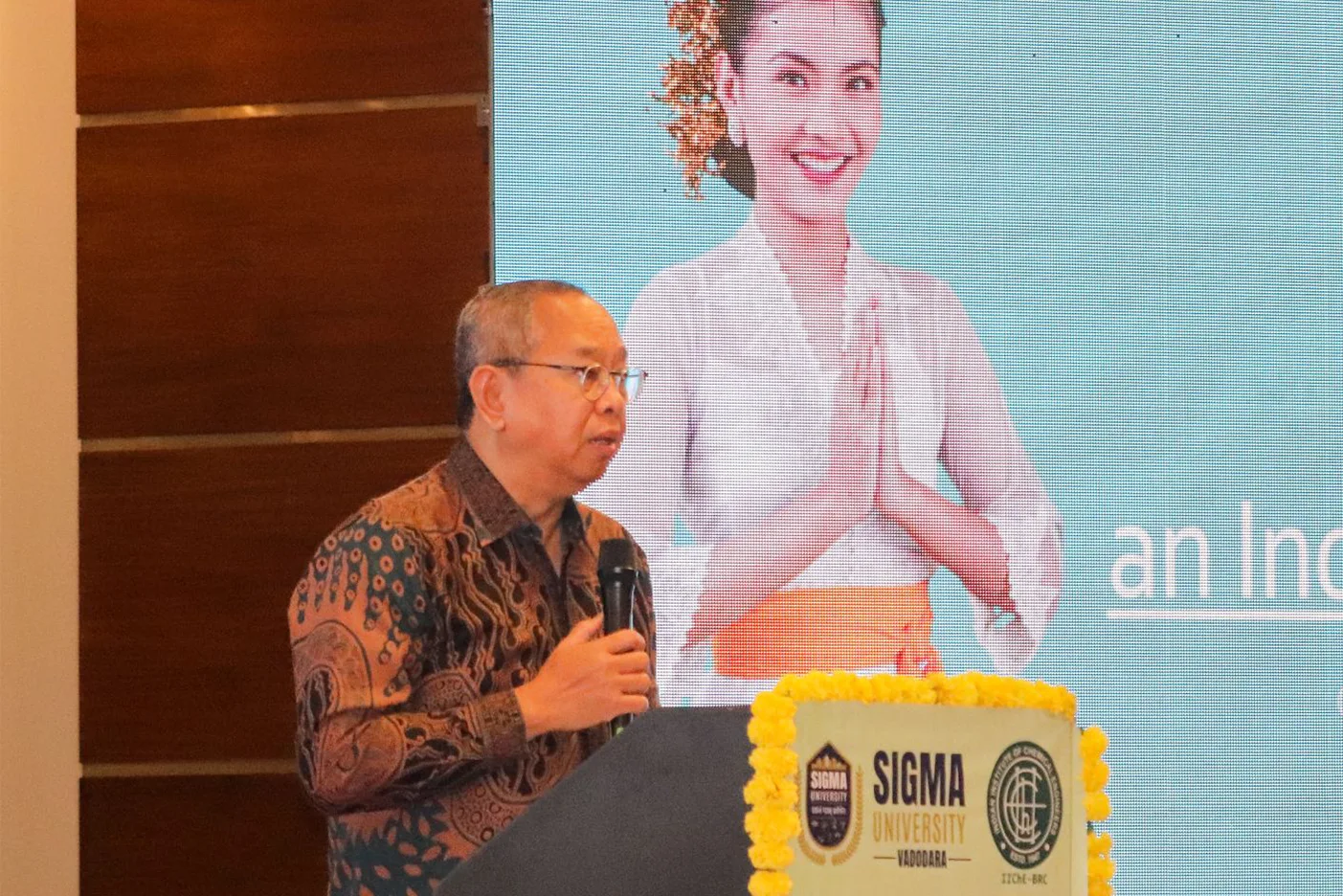
Consulate General, Republic of Indonesia,
Blogs

Entrepreneurial Opportunities for Hospitality Graduates in Gujarat
30-Day Preparation Plan for Polytechnic Entrance Exam: Complete Study Plan, Syllabus Strategy & Mock Test Tips

Career Roadmap After 10th for Competitive Exams

Admission Process After Entrance Exam Results for University: Complete Step-by-Step Guide

List of Diploma Entrance Exams After 10th in India

Best Government Exams After 10th in India

Top 15 Career Opportunities After Hotel Management Degree
