
BBA in Tourism and Travel Management
Tourism isn’t just about vacations anymore; it’s one of the fastest-moving economic engines in the world. According to global estimates, in 2024, the travel and tourism sector contributed over 10% to the world’s GDP. And India? It’s right in the middle of that surge.
So if you’ve ever thought travel is just a hobby, think again. With the right training, it can turn into a serious, high-growth career. That’s exactly where a Sigma University’s BBA in tourism and travel management steps in.

What is BBA in Tourism and Travel Management?
At its core, this program blends business fundamentals with the practical side of tourism.
You’re not just learning how the industry works; you’re learning how to run it.
Think of it this way: you’re studying management, but instead of factories or finance firms, your “business” is destinations, experiences, and people.
A typical BBA in Tourism and Travel Management covers:
- Business administration basics (marketing, finance, HR)
- Travel operations and logistics
- Hospitality and service management
- Tourism economics and policies
And yes, it’s far more hands-on than a traditional business degree.
Why Study Tourism & Travel Today? Industry Growth Trends
The reality is, travel has changed. People don’t just want to visit places; they want personalised experiences.
Here’s what’s pushing growth:
- Rise of digital booking platforms and travel apps
- Growth of domestic tourism across India
- Demand for niche experiences (eco-tourism, adventure travel, wellness retreats)
- Expansion of aviation and infrastructure
India alone is expected to see millions of new jobs in tourism over the next decade. So the question isn’t “Is this field growing?” It’s “Are you ready to be part of it?”
Key Skills You Will Learn from the Travel Management Course
This isn’t a theory-heavy program where you just sit through lectures. You’ll build real-world skills that translate directly into jobs.
Tourism Operations & Travel Tech Skills
You’ll learn how the backend of travel actually works:
- Reservation systems and booking engines
- Airline and ticketing procedures
- Travel itinerary planning
- Use of global distribution systems (GDS)
- Digital tools used by modern travel companies
Tech is now central to tourism. If you understand both travel and technology, you instantly stand out.
Customer Service & Destination Management Skills
Tourism is a people-first industry. So your ability to handle customers matters just as much as your technical knowledge.
You’ll develop:
- Communication and interpersonal skills.
- Crisis and complaint handling.
- Cultural awareness and sensitivity.
- Destination planning and promotion.
- Event and tour coordination.
Because at the end of the day, you’re not just selling tickets; you’re shaping experiences.
Eligibility Criteria & Admission Process for BBA in Tourism and Travel Management
Let’s get practical. How do you actually get into this program?
Minimum Marks & Entrance Exams Accepted
Most universities, including Sigma University, follow a straightforward eligibility structure:
- Completion of 10+2 (any stream) from a recognised board.
- Should meet the minimum required percentage of marks.
- Eligibility criteria must align with guidelines set by Higher Statutory Bodies.
- Criteria may be updated or revised from time to time.
It’s not overly restrictive, which means students from different backgrounds can enter the field.
How to Apply - Important Dates & Documents
The application process is typically online and simple:
- Fill out the application form on the official website.
- Upload required documents.
- Pay the application fee.
Pro tip: Don’t wait till the last date. Seats in specialised programs like this tend to fill quickly.
Program Curriculum & Semester Core Subjects
Now let’s talk about what you’ll actually study over three years.
Course Breakdown by Year / Semester
Here’s a simplified view:
Year | Focus Area |
Year 1 | Business basics + introduction to tourism |
Year 2 | Core tourism operations and travel systems |
Year 3 | Advanced management + specialisation |
Some common BBA in Travel & Tourism Management subjects include:
- Principles of Management
- Tourism Geography
- Travel Agency Management
- Hospitality Management
- Tourism Marketing
- Event Management
- Sustainable Tourism
It’s a mix of classroom learning and practical exposure.
Internship & Project Modules
Most programs include:
- Mandatory internships with travel agencies or hospitality firms
- Industry projects and case studies
- Field visits to tourist destinations or hotels
And honestly, this is where you learn the most. Real clients. Real challenges.
Career Opportunities & Salary After BBA in Tourism & Travel
Let’s address the big question: what happens after graduation?
Top Job Roles with Annual Salaries
Here are some common BBA in Travel & Tourism Management jobs:
- Travel Consultant – ₹2.5 to ₹5 LPA
- Tour Manager – ₹3 to ₹6 LPA
- Airline Executive – ₹4 to ₹8 LPA
- Hotel Manager – ₹3 to ₹7 LPA
- Event Coordinator – ₹2.5 to ₹6 LPA
- Destination Manager – ₹4 to ₹10 LPA
Salaries grow quickly with experience, especially if you move into international roles or niche tourism sectors.
Top Hiring Sectors & Employers
Graduates find opportunities across:
- Airlines and airports
- Travel agencies and tour operators
- Hotels and resorts
- Cruise lines
- Event management companies
- Government tourism boards
And the interesting part? You’re not locked into one path. You can pivot within the industry.
Placement Support, Industry Partnerships & Internships
Here’s where your choice of university really matters.
At Sigma University, students benefit from:
- A large network of 250+ recruiters.
- Industry collaborations for internships.
- Skill development workshops.
- Career guidance and placement training.
The campus itself spans 26.7 lakh sq. ft., which gives room for modern infrastructure, labs, and learning spaces that go beyond textbooks.
Because let’s be honest, placement support isn’t a bonus anymore. It’s essential.
Why Choose This BBA In Tourism and Travel Management Program at Sigma University?
A few things stand out:
- Industry-aligned curriculum that reflects current trends.
- Strong focus on practical learning and internships.
- Exposure to real-world tourism operations.
- Large campus with modern facilities.
- Access to a wide recruiter network.
But here’s the real value: it prepares you for a dynamic career, not just a degree.
If you’re someone who enjoys planning, interacting with people, and exploring how businesses operate behind the scenes, this field has a lot to offer. The smart move? Choose a program that gives you exposure, not just theory and start building experience as early as possible.
FAQs
You can work as a travel consultant, tour manager, airline executive, hotel manager, or event planner. With experience, roles like destination manager or tourism entrepreneur become viable.
Most fresh graduates earn between ₹2.5 and ₹5 LPA. With 2-3 years of experience, this can increase significantly depending on your role and company.
Yes, in most programs it’s mandatory. And that’s a good thing; it gives you real industry exposure before you graduate.
Absolutely. In fact, many graduates go on to start travel agencies, tour companies, or niche tourism ventures. The course gives you both business knowledge and industry insight to make that possible.
Leading Companies Hiring from Our School
Leading companies hire our graduates for their industry-ready skills, strong academics, and hands-on experience.
Highest Salary Package
Recruiters
Placements
Research Paper
Our Placement Partners
At Sigma, we shape global careers with proven worldwide placements.




















Structured classroom sessions and personal interaction with faculty
Structured classroom sessions and personal interaction with faculty
Structured classroom sessions and personal interaction with faculty
Structured classroom sessions and personal interaction with faculty
Academic and Campus Facilities
At Sigma University, our campus pulses with the
vibrancy of tech-savvy students who exude an
infectious enthusiasm for innovation and technology.
Personalities at Sigma
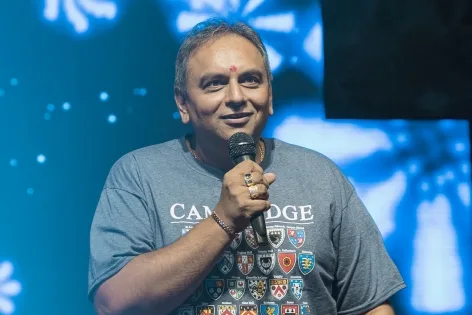
Writer and Orator
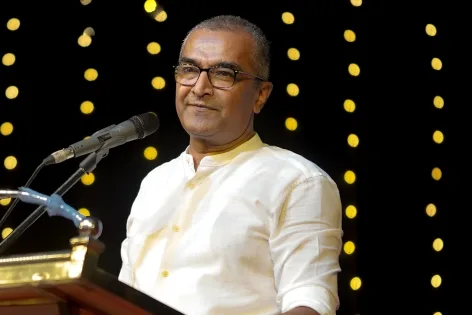
Motivational Speaker

Spokesperson
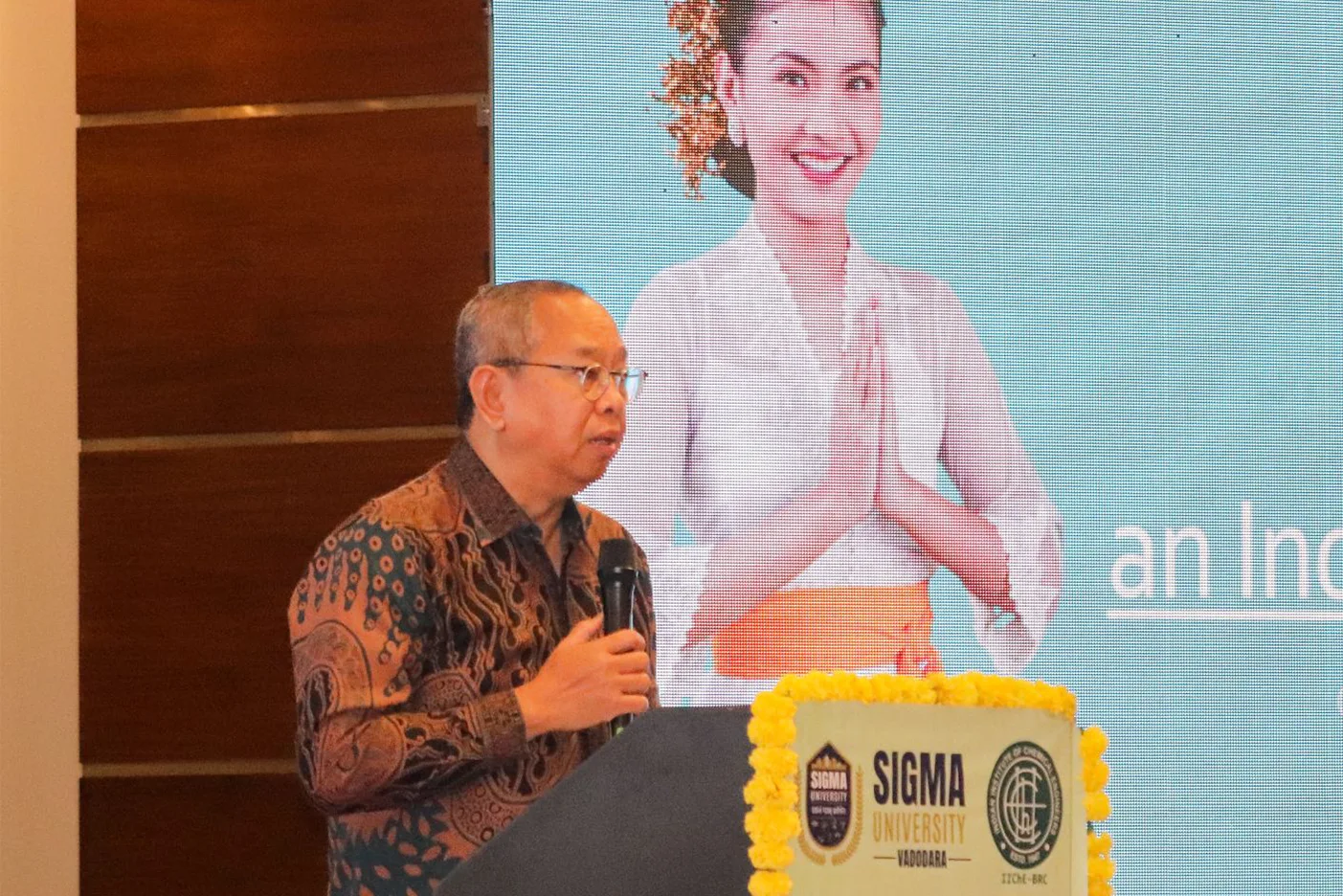
Consulate General, Republic of Indonesia,
Blogs
Tips to Crack a Technical Interview: DSA Questions Asked by Top Companies
CA vs MBA: Career Growth Comparison for Commerce Students

Time Management Tips for Engineering Students: Balancing Studies & Skills
How to Compare Private Universities in India?
What Is University Accreditation? Why It Matters When Choosing a University
Know About the Best Colleges in Gujarat for Computer Engineering

B.Tech Mechanical Engineering: Core Companies vs IT Companies for Career
