
- A Diploma in Engineering after 10th is a 3-year technical program focused on practical, hands-on learning rather than only theory.
- Students can choose from multiple branches like Civil, Mechanical, Electrical, Computer, IT, Electronics, Automobile, AI & Data Science, Cyber Security, and Mechatronics.
- Eligibility requires passing Class 10 from a recognised board, usually with Mathematics and Science as core subjects.
- Admissions are generally based on merit or state-level counselling, especially in government polytechnic colleges.
- Course fees vary — government colleges are more affordable, while private institutes have higher fee structures.
- After completing the diploma, students can either start working in technical roles or pursue B.Tech through lateral entry (direct second-year admission).
- Career opportunities are available in construction, IT, manufacturing, telecom, automation, and government technical sectors.
- Starting salaries typically range between ₹1.8 lakh and ₹3 lakh per year, with steady growth based on skills, experience, and chosen branch.
After Class 10, most students feel pressure. Your friends are choosing between science and commerce, your parents are suggesting that you do 11th and 12th, while teachers are talking about board exams.
In the middle of all this, very few people tell you that there is another strong option available, which is a diploma in engineering.
If you already enjoy practical subjects and prefer doing over memorising, this route can actually make a lot of sense.
What Are Diploma Courses in Engineering & Technology?
Let’s first answer a common question: What is a diploma in engineering? It is a three-year technical programme that you can join after the 10th. Instead of focusing only on theory, it trains you in applied skills.
You spend time in workshops and labs, work with tools and machines, and understand how systems function in real life. It is more hands-on than traditional schooling.
Why Choose a Diploma in Engineering After 10th?
The biggest advantage is clarity. If you already know you want to build, design, repair, or work with technology, why wait two more years?
A diploma helps you enter the technical world earlier. Many students start earning sooner. At the same time, you are not limiting yourself.
After completing your diploma, you can enter B.Tech directly in the second year through lateral entry.
So the path remains open.
Types of Diploma Engineering Courses After 10th
There is no single diploma course. You choose a branch based on interest. Some students prefer construction and machines, while others prefer computers and digital systems.
It is good to think about what excites you the most. Do you prefer to work outdoors or sit in front of computers?
Best Diploma Courses in Engineering After 10th
Here are some of the most chosen branches explained in simple words.
Diploma in Civil Engineering
A diploma in civil engineering involves studies in construction work. Students learn about buildings and roads.
If you enjoy seeing physical results of your work, this branch fits well.
Diploma in Mechanical Engineering
A diploma in mechanical engineering teaches how machines function. It covers manufacturing engines and industrial equipment. It suits students who enjoy technical problem-solving.
Diploma in Electrical Engineering
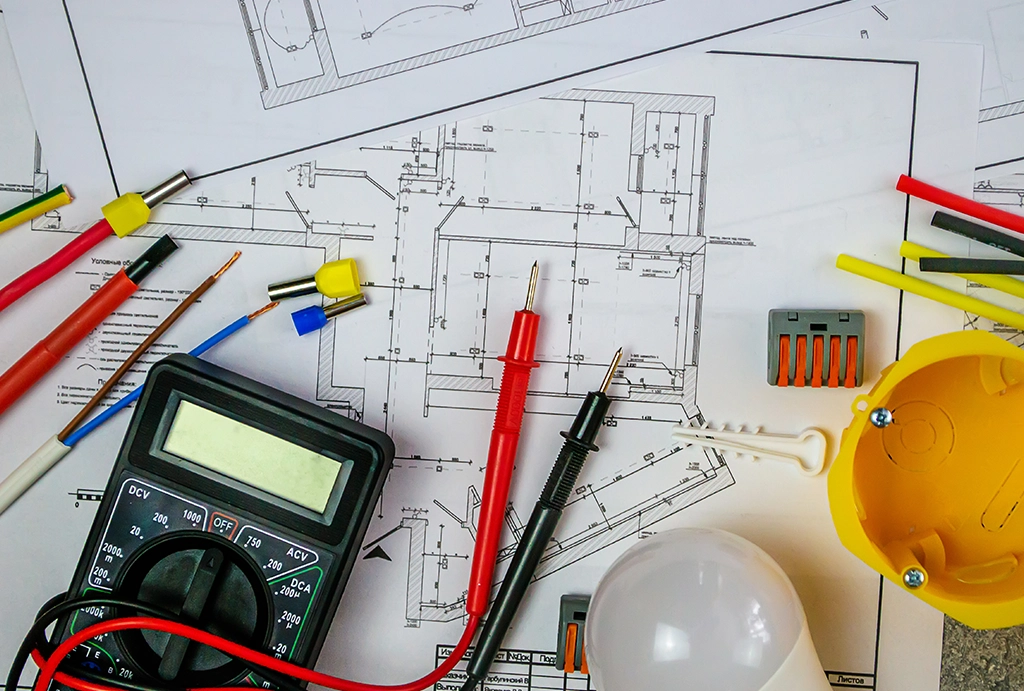
A diploma in electrical engineering deals with power supply and wiring systems. Industries always need trained electrical professionals.
Diploma in Computer Engineering
A diploma in computer engineering introduces programming basics, hardware systems, and networking. It prepares students for entry-level IT roles.
Ready to Shape Your Future? Apply Now.
Engineering, Design, Commerce, Law, Science & more. Join a university built for the future.
Diploma in Electronics & Communication
Electronics covers circuits and communication devices. There is a steady demand for jobs for a diploma in electronics engineering in the telecom and production sectors.
Diploma in Automobile Engineering
If vehicles interest you, this diploma in automobile engineering, which focuses on repair, design, and maintenance of automobiles, will help you.
Diploma in Information Technology
A Diploma in IT focuses more on software and databases. It is suitable for students interested in the digital space.
Diploma in Artificial Intelligence & Data Science
This is a newer field, and industry demand is rising quickly for this. It deals with automation and data handling.
Diploma in Cyber Security
Cybersecurity trains students to protect digital systems. With increasing online activity, this field is growing fast.
Diploma in Mechatronics Engineering
Mechatronics combines mechanical and electronics systems. It is useful in the automation industries.
Eligibility Criteria for Diploma Engineering Courses
You must pass Class 10 from a recognised board. Mathematics and Science are usually required. Some colleges may also have minimum marks criteria.
Admission Process for Diploma After 10th
The admission processes of most government polytechnic colleges involve a merit list or state-level counselling. Students should also understand the major diploma entrance exams after 10th in India before applying.
It is recommended to refer to the official notifications regarding the same.
Diploma Engineering Course Fees
The fees of a diploma engineering course vary depending on whether it is a government or a private institute.
Government colleges have a low fee structure, while private institutes charge a higher fee.
Career Opportunities After a Diploma in Engineering
A diploma in engineering opens doors to several job opportunities.
Students who complete a diploma in civil engineering can work in the field of construction, as companies are looking for people with a diploma in civil engineering.
Software companies tend to look for students with a diploma in computer engineering and a diploma in software engineering.
Companies in the manufacturing industry require students with a diploma in mechanical and electrical engineering.
Government technical posts are also available through competitive exams. Students interested in public-sector roles can explore the best government exams after 10th in India alongside diploma pathways.
Salary After Diploma in Engineering Courses
Fresh diploma holders usually start between ₹1.8 lakh and ₹3 lakh per year. The exact amount depends on the branch and location.
With experience and skill upgrades, salary increases steadily. Technology-focused roles may offer better growth.
Diploma vs ITI vs 12th Science - Which Is Better?
ITI courses focus on specific trades and shorter training, while a diploma offers broader technical education. 12th science keeps academic options open but delays entry into industry.
There is no universal best choice. It depends on your clarity and learning preference.
Is Diploma Engineering the Right Choice After 10th?
If you prefer practical learning and want to enter the workforce early, it can be the right move. If entrance preparation is your next step, this 30-day polytechnic entrance exam preparation plan can help you begin systematically.
Conclusion
A diploma in engineering is not a shortcut. It is simply a different route. For the right student, it offers clarity, early experience, and steady career growth.
The key is choosing a branch that genuinely interests you and committing fully to it.
FAQ
The best course is the one aligned with your interests and strengths.
Yes, many technical government posts accept diploma holders.
Yes, lateral entry into the second year is possible.
Branches linked to technology and automation often offer higher growth.
Sigma University focuses on practical training and industry exposure. Modern labs, experienced faculty, and placement support help students build confidence and real skills.

Index
- What Are Diploma Courses in Engineering...
- Why Choose a Diploma in Engineering After 10th?
- Types of Diploma Engineering Courses After 10th
- Best Diploma Courses in Engineering After 10th
- Eligibility Criteria for Diploma Engineering Courses
- Admission Process for Diploma After 10th
- Diploma Engineering Course Fees
- Career Opportunities After a Diploma in...
- Salary After Diploma in Engineering Courses
- Diploma vs ITI vs 12th Science - Which Is Better?
- Is Diploma Engineering the Right Choice After...
- FAQ
- Conclusion
Most Popular

High-Paying Degree Courses After 12th – Guide for Indian Students

Top 5 Career-Focused Diploma Courses in India for 2025

LLB Course: Eligibility, Admission, Top Colleges & Fees

SGPA vs CGPA Explained: Full Forms, Conversion Methods & Calculation Guide

Top 6 High-Paying Career Paths After a B.Com Degree in India
Diploma in Electrical Engineering: Scope, Salary, & Best Colleges

MCA vs MSc Computer Science: Which Is Better?

BCA Course Details: Eligibility, Fees, Syllabus, & Career Prospects

Short-Term Online Courses After 12th

Data Science vs. Data Analytics: Which Career Is Right for You?