Key takeaways:
- Core companies hire for design, production, and R&D roles on the shop floor.
- IT companies hire mechanical graduates for software, testing, data, and support roles.
- IT-sector starting pay is often higher. Core-sector pay can catch up with experience.
- CAD/CAM, SolidWorks, and basic coding skills matter for both paths.
Choosing between a core manufacturing job and an IT role is one of the biggest decisions a mechanical graduate makes. Both paths are open to nearly every B.Tech mechanical job applicant today, which wasn’t always true. This guide breaks down what each path looks like and who hires for what. It also covers how to prepare for either one.
Career Opportunities After B.Tech Mechanical Engineering
Demand for mechanical engineers is growing in both core industries and the IT sector. Many graduates now consider both paths instead of picking one straight after college. A B.Tech Mechanical Engineering job today can mean a design desk at a factory. Or it could mean a testing role at a software firm. Most B.Tech mechanical jobs now fall into one of these two categories.
Core Companies vs IT Companies: Understanding the Difference
What are Core Mechanical Companies?
Core companies design, build, or manufacture physical products, from vehicles to industrial equipment.
Why IT Companies Hire Mechanical Engineers
IT firms value the analytical and problem-solving skills mechanical graduates already have from their degree.
Which Career Path Offers Better Long-Term Growth?
| Aspect | Core Companies | IT Companies |
|---|---|---|
| Promotion speed | Steady, often tied to project cycles | Faster in the first few years |
| Skill transferability | Strong within engineering, limited outside | High, skills apply across sectors |
| Salary ceiling | Rises with seniority and specialisation | Rises quickly with tech skills |
Top Core Companies Hiring Mechanical Engineers in India
- Tata Motors: Hires for design, production, and quality roles across its vehicle manufacturing plants.
- Larsen & Toubro (L&T): Recruits mechanical engineers for infrastructure, heavy engineering, and project execution roles.
- Bharat Heavy Electricals Limited (BHEL): A major public sector employer for power equipment design, manufacturing, and maintenance.
- Mahindra & Mahindra: Hires across automotive and farm equipment manufacturing, from design to plant operations.
- Tata Steel: Recruits for production, maintenance, and process engineering roles across its steel plants.
Top IT Companies Hiring Mechanical Engineering Graduates
- TCS: Hires mechanical graduates for software testing, technical support, and analytics roles after training.
- Infosys: Recruits through campus drives, often placing mechanical graduates into coding and consulting tracks.
- Wipro: Offers similar entry paths into software development and IT services for non-CS graduates.
- Accenture: Hires for technology consulting and support roles, with structured onboarding for engineering graduates.
IT firms recruit mechanical graduates for software development, testing, data analytics, cloud, and support work. Students who want to move towards connected technologies can also explore IoT engineering career opportunities in India as a related path.
This is where b tech mechanical recruitment numbers have grown fastest in the past few years. The EV and Industry 4.0 wave is reshaping that mix further; read how EV and Industry 4.0 are changing careers for mechanical engineers in India to plan which path fits you best.
Core Mechanical Jobs vs IT Jobs
Here’s how B.Tech mechanical jobs compare directly across the two paths.
| Factor | Core Mechanical | IT Jobs |
|---|---|---|
| Nature of Work | Design, production, and on-site engineering | Software, testing, analytics, and support |
| Starting Salary | Often lower initially, rises with experience | Often higher for freshers straight away |
| Skill Requirements | CAD, manufacturing processes, hands-on knowledge | Coding basics, aptitude, communication skills |
Skills Required to Get B.Tech Mechanical Jobs
- CAD/CAM & SolidWorks: Most design roles expect working knowledge of SolidWorks or a similar CAD/CAM tool.
- AutoCAD: Still widely used for 2D drafting across manufacturing and infrastructure companies.
- Manufacturing & Production: Understanding production processes helps in both core roles and process-focused IT roles.
- CNC & Automation: Exposure to CNC machines and automation systems is valued on factory floors.
- Industry 4.0 Basics:Familiarity with sensors, data, and automation trends helps in both career paths. Candidates targeting the IT route should bookmark this guide on the top IT skills for engineering students before placement prep season begins.
How to Prepare for Mechanical Engineering Placements
- Build Technical Knowledge: Revise core subjects like thermodynamics, manufacturing, and machine design before placement season.
- Gain Internship Experience: An internship, even a short one, makes your resume stand out to recruiters.
- Learn Industry Software: Basic proficiency in SolidWorks, AutoCAD, or MATLAB helps in both technical and HR rounds.
- Prepare for Aptitude & Technical Interviews: Most companies test aptitude first, then move to technical and HR interview rounds.
- Build a Strong Resume: Keep it concise, list real projects and internships, and tailor it for the company type.
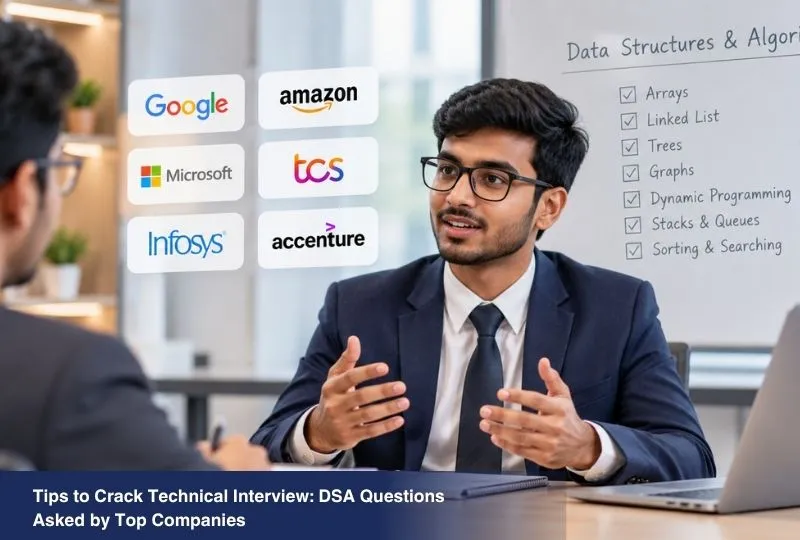
Many b tech mechanical engineering jobs for freshers get filled through campus placement drives, but a B.Tech isn’t the only path in. Preparation should start well before final year, and students targeting software or IT roles should also learn how to crack a technical interview.
Which Career Option Should You Choose?
| Priority | Choose Core If | Choose IT If |
|---|---|---|
| Salary | You’re comfortable with slower early growth | You want higher starting pay |
| Stability | You prefer established manufacturing sectors | You’re comfortable with faster-changing tech roles |
| Growth | You want deep engineering specialisation | You want broader, faster career mobility |
| Work-life | You’re fine with plant or site-based schedules | You prefer office-based, structured hours |
Why Choose Sigma University for Mechanical Engineering?
- Industry-Aligned Curriculum: Coursework covers both core engineering fundamentals and the software skills IT recruiters look for.
- Modern Mechanical Engineering Labs: Students train on CAD software and manufacturing equipment used in real industry settings.
- Industrial Visits & Internships: Regular visits to manufacturing plants give students exposure before they graduate.
- Placement Support: The Career Development Cell works with both core and IT recruiters, connecting students with 250+ recruiters.
- Industry Collaborations: Partnerships with core and IT companies keep the curriculum aligned with what recruiters actually need.
Conclusion
There’s no single right answer for b tech mechanical jobs. It depends on whether you want hands-on engineering work or faster-moving tech roles. #CareerkiSahiShuruaat starts with picking a college that prepares you for both paths, not just one. Talk to Sigma University’s admissions office to see how the curriculum supports either direction.
FAQ
Core employers include Tata Motors, L&T, BHEL, and Tata Steel, alongside IT firms like TCS and Infosys.
Yes, IT firms hire mechanical graduates for software testing, analytics, and support roles after training.
Neither is universally better. Core suits hands-on engineering; IT suits faster, broader career growth.
Pay varies by company and role, though IT-sector starting salaries are often higher for freshers.
CAD/CAM, SolidWorks, AutoCAD, and basic aptitude and coding skills all help at placement time.
Yes, many mechanical graduates move into software roles through IT company training programmes.
It depends on your goal. Tata Motors and L&T lead in core roles; TCS and Infosys in IT.
Yes, with two viable career paths now open, B.Tech mechanical jobs remain a flexible degree choice.

Dr. Neelima Kamjula - (Commerce & Management)
Professor & Head of DepartmentDr. Neelima Kamjula is a Professor and Dean, Faculty of Commerce & Management at Sigma University, with over 23 years of experience in higher education, academic leadership, and research.
Index
- Career Opportunities After B.Tech Mechanical Engineering
- Core Companies vs IT Companies: Understanding the Difference
- Top Core Companies Hiring Mechanical Engineers in India
- Top IT Companies Hiring Mechanical Engineering Graduates
- Core Mechanical Jobs vs IT Jobs
- Skills Required to Get B.Tech Mechanical Jobs
- How to Prepare for Mechanical Engineering Placements
- Which Career Option Should You Choose?
- Why Choose Sigma University for Mechanical Engineering?
- Conclusion
Most Popular