Key takeaways:
- Eligibility: Class 10 pass, typically 35-50% marks depending on the institution.
- Fees range from Rs. 15,000-35,000 per year at government colleges to Rs. 80,000-1.5 LPA at private colleges.
- Fresher salary: Rs. 15,000-30,000 per month in entry-level IT roles.
- Diploma holders can enter the B.Tech second year directly through lateral entry.
A diploma in computer engineering after 10th is a three-year programme that qualifies you for IT jobs directly, or opens a lateral entry path into B. Tech second year. It’s one of the most practical post-10th choices for students drawn to technology.
Thousands of Class 10 students choose a diploma in computer engineering after 10th grade each year. The reasons are practical. Three years to a job, or a direct shortcut into B.Tech second year, without spending two more years in school.
If you’re comparing diploma courses after 10th, computer engineering is one of the most popular options in India. Many students also search for a diploma in computer science after the 10th grade. The programmes are closely related and often have overlapping curricula.
What is a Diploma in Computer Engineering After 10th?
A diploma in computer engineering after 10th is a three-year polytechnic programme. It qualifies you for entry-level IT roles or lateral entry into B. Tech second year.
3-year lateral entry to B.Tech or direct employment option
After completing your diploma in computer engineering after 10th, you have two clear options. Enter the workforce directly, or join B. Tech second year through lateral entry. That means a diploma in computer science and engineering after 10th gives you two exit points. You can start working at 18 or complete an engineering degree in less time than the traditional route.
Overview of what students learn
The programme covers computer science engineering after 10th grade fundamentals across three years. Subjects include programming languages, computer hardware, operating systems, networking, and databases. The curriculum balances theory with hands-on lab work, building practical skills from the first year onwards.
Eligibility & Admission Process
Getting into a computer engineering programme after a 10th diploma programme is straightforward for most students who have cleared their Class 10 board exams.
Minimum 10th pass criteria
Most government polytechnics require a minimum of 35% in Class 10. Private colleges typically require 45-50%. For a diploma in computer science engineering after 10th at Sigma University, eligibility follows standard state board requirements. Students from GSEB, CBSE, and ICSE boards are all eligible to apply.
State-level polytechnic entrance exams
In Gujarat, government polytechnic seat allotment is managed by the Admission Committee for Professional Courses (ACPC). Private institutions like Sigma University run their own admissions directly. There is no entrance exam for most diploma admissions. Class 10 marks are the primary selection criterion.
Documents needed, application timeline
Standard documents required at admission:
- Class 10 marksheet and passing certificate
- School leaving certificate
- Caste or category certificate (if applicable)
- Passport-sized photographs
- Aadhar card for identity verification
Applications for most Gujarat institutions open between May and July each year. Apply early to secure your preferred institution and programme.
Fees Structure: Government vs Private Colleges
Diploma in computer science after 10th fees vary significantly depending on the type of institution you choose.
Approximate annual fee range
Government polytechnics in Gujarat charge approximately Rs. 15,000-35,000 per year. Private colleges typically charge Rs. 80,000-1.5 LPA annually. The difference reflects variations in infrastructure, industry exposure, and placement support.
Scholarship and fee waiver options in Gujarat
Students from SC, ST, OBC, and EWS categories may qualify for state government scholarships covering a significant portion of fees. Merit-based scholarships are also available at private institutions. Speak directly with the admissions team at Sigma University for current scholarship criteria, as eligibility and amounts change each academic year.
Total cost of the 3-year diploma program
At a government college, the total three-year cost typically falls between Rs. 45,000 and Rs. 1.05 LPA. At a private college, expect Rs. 2.4-4.5 LPA across the full programme. Both options are considerably more affordable than a full four-year B.Tech degree.
Syllabus Highlights: What You Study Year by Year
The diploma in computer engineering after the 10th syllabus is structured progressively. Year 1 covers the fundamentals. By Year 3, the focus shifts to applied, industry-ready skills.
1st Year: Basics of computers, math, electronics
Foundation subjects include:
- Computer fundamentals and operating systems
- Engineering maths and applied science
- Basic electronics and electrical principles
- Introduction to programming concepts
2nd Year: Programming (C, Python), DBMS, networking
The second year moves into applied technical skills:
- C programming and Python basics
- Database Management Systems (DBMS)
- Computer networking and data communication
- Web development fundamentals
3rd Year: Advanced projects, IoT, internship/placement
The final year focuses on industry readiness:
- IoT applications and embedded systems
- Advanced individual and group projects
- Industry internship with a company partner
- Placement preparation through the Career Development Cell
Career Scope & Salary After Diploma in Computer Engineering
The career options after this diploma are broader than most students expect.
Direct jobs: junior programmer, IT support, hardware technician
Graduates are eligible for entry-level roles, including:
- Junior programmer or software developer
- IT support engineer
- Hardware and network technician
- Systems operator in corporate IT environments
Higher education: Lateral entry to B.Tech 2nd year
The lateral entry route is one of the most valuable features of the diploma. You skip the B.Tech first year and join directly in the second year, saving a full year and its associated fees. Most Gujarat universities and NITs accept polytechnic diploma holders through this route. ACPC manages lateral entry admissions across Gujarat.
Expected salary: Rs. 15,000-Rs. 30,000/month for freshers
Diploma in computer engineering after 10th salary figures for freshers typically range from Rs. 15,000-30,000 per month. That covers most private sector IT and hardware roles. With two to three years of experience and relevant certifications, salaries commonly rise to Rs. 40,000-60,000 per month.
Diploma in Computer Engineering After 10th: Your Career Starts Here
A diploma in computer engineering after 10th is a practical, focused qualification. You’re job-ready in three years, with an optional upgrade path to a full engineering degree.
Sigma University’s diploma programme in Vadodara is built with industry relevance in mind. The Career Development Cell connects students to 250+ recruiters and supports placement preparation from the second year. With a highest placement package of Rs. 20 LPA, Sigma gives students both the credentials and the career support to make it count.
FAQ
Yes. Any student who has passed Class 10 from a recognised board is eligible. Most institutions require 35-50% marks. There is no entrance exam for most diploma admissions in Gujarat; Class 10 marks determine selection.
Fresher salaries typically range from Rs. 15,000-30,000 per month in private sector IT roles. With certifications and two to three years of experience, salaries commonly reach Rs. 40,000-60,000 per month.
A diploma is better if you want technical depth, a B.Tech upgrade path, and access to formal IT sector jobs. ITI courses are shorter and more suited to trades-focused vocational roles.
Yes. Diploma holders qualify for lateral entry into B.Tech second year at most universities in Gujarat and across India, including NITs. ACPC manages this process for Gujarat institutions.
Core subjects include computer fundamentals, C and Python programming, DBMS, networking, electronics, engineering maths, IoT, and applied project work. The syllabus builds from basics in Year 1 to industry-ready skills by Year 3.
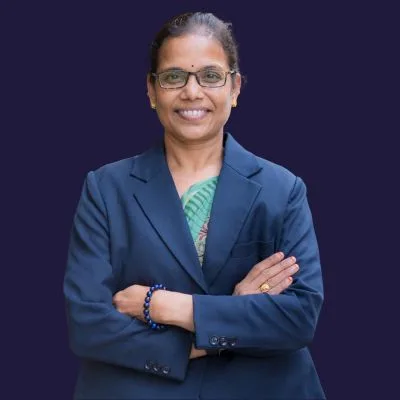
Dr. Neelima Kamjula - (Commerce & Management)
Professor & Head of DepartmentDr. Neelima Kamjula is a Professor and Dean, Faculty of Commerce & Management at Sigma University, with over 23 years of experience in higher education, academic leadership, and research.
Index
- What is a Diploma in Computer Engineering After 10th?
- Eligibility & Admission Process
- Fees Structure: Government vs Private Colleges
- Syllabus Highlights: What You Study Year by Year
- Career Scope & Salary After Diploma in Computer Engineering
- Diploma in Computer Engineering After 10th: Your Career Starts Here
- FAQs
Most Popular